Explore our state-of-the-art medical and commercial-grade cosmetic machinery manufactured under strict ISO and CE compliance standards.
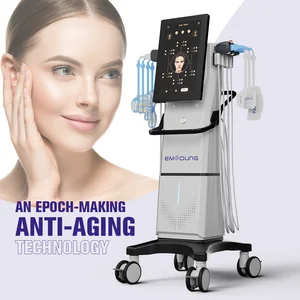
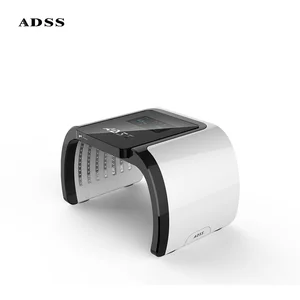
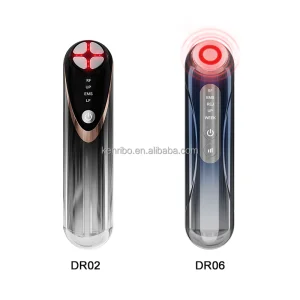
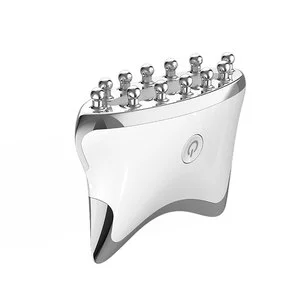
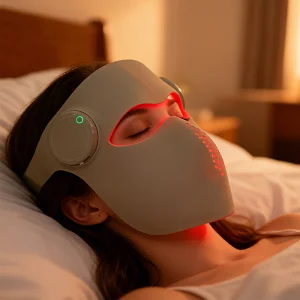
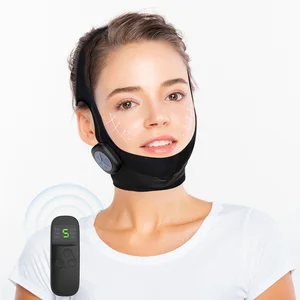
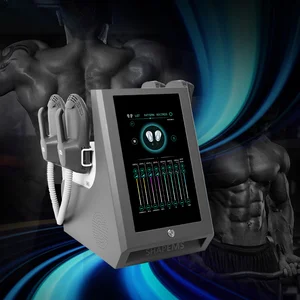
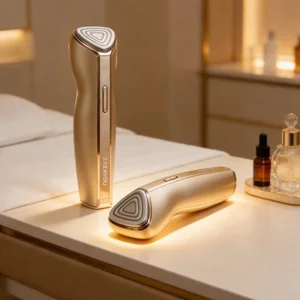
Electrical Muscle Stimulation (EMS) in skincare represents a paradigm shift from topically applied cosmetics to cellular-level physical therapy. By sending mild, low-frequency electrical impulses directly into facial muscular structures, EMS units replicate the body’s innate electrochemical signaling. This physiological process stimulates the myofibrillar motor points, causing controlled contractions that tone and lift sagging tissues.
Unlike general topical treatments, professional-grade EMS machinery engineered in specialized factories operates at distinct electrical frequency profiles (typically ranging from 10Hz to 100Hz) combined with microcurrent modulations (under 1000 microamperes). The integration of multi-waveform configurations—such as sinusoidal, square, and triangular pulses—enables deep cellular stimulation without causing sensory nerve discomfort or muscle fatigue.
When merged with Radio Frequency (RF) thermal energy, the treatment initiates a dual-action regeneration protocol: thermal denaturation of collagen in the dermis to trigger neocollagenesis, alongside motor-unit activation in the underlying Superficial Muscular Aponeurotic System (SMAS). This synergistic effect is why advanced B2B buyers prioritize hybrid platforms over single-function devices.
Modern factories optimize treatment efficacy by consolidating multiple energy modalities onto a single control board. Here is how these parameters interact within professional aesthetic systems:
Deciphering the critical selection criteria used by medical spas, international distributors, and clinical beauty franchise systems.
For distributors operating in strict regulatory zones like the European Union or North America, factory certifications are non-negotiable. Sourcing teams prioritize factories with robust quality management architectures, notably ISO 13485 (Medical Devices), MDD/MDR CE markings, RoHS, and FDA registrations. These ensure the electrical insulation, biocompatibility of probes, and electromagnetic compatibility (EMC) of the equipment are completely safe for clinical use.
Building brand differentiation is paramount in the competitive aesthetic market. High-caliber factories offer sophisticated OEM/ODM capabilities, extending from cosmetic exterior alterations (housing colors, custom-molded ABS plastics, laser-etched branding logos) to deep engineering design. This includes custom programming of the GUI (Graphical User Interface) firmware, tailored electrical pulse parameters, and customized electrode arrays to match distinct clinical protocols.
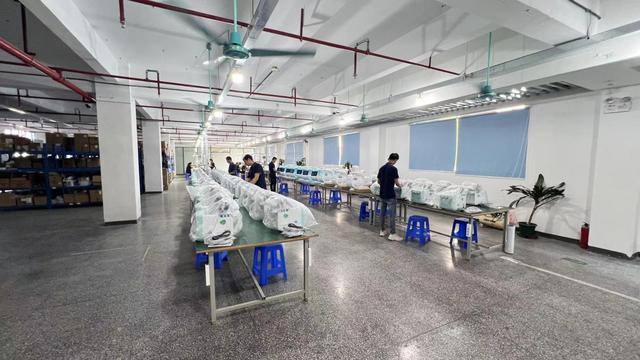
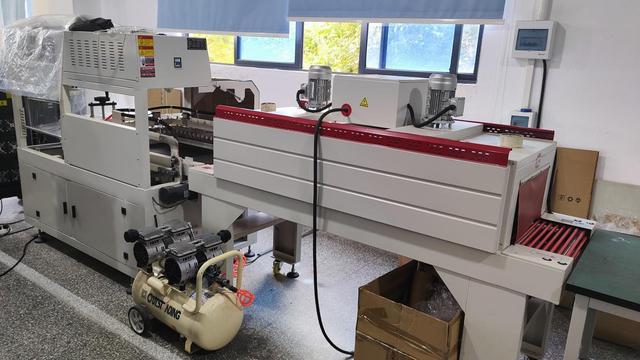
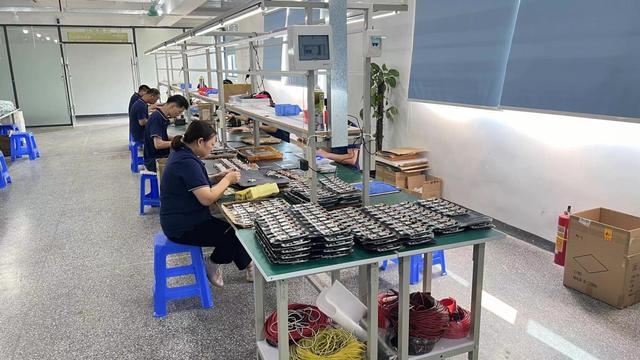
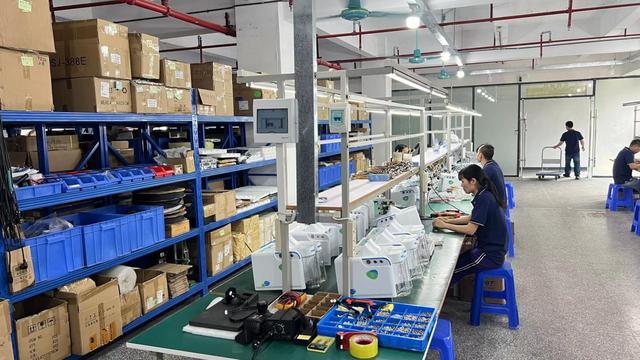
Disruptions in material availability or critical component supply chains can stop a brand’s market deployment. Factories that control their full hardware ecosystem—from SMT (Surface Mount Technology) circuit board assembly and CNC precision tooling workshops to dedicated aging rooms and testing chambers—ensure a predictable manufacturing pipeline, superior quality control, and shorter, reliable lead times.
B2B buyers should request wave oscilloscope reports from potential manufacturing partners. Lower-grade factories often output unstable, erratic electrical pulses that cause sharp stinging sensations or micro-burns. In contrast, premium factories design dedicated MCU (Microcontroller Unit) programs that deliver highly calibrated current outputs, maintaining smooth transitions between active and idle phases. This engineering precision directly determines the safety and clinical outcome of the treatments.
The manufacturing of advanced EMS facial machinery requires deep, cross-disciplinary collaboration. Factories in key industrial clusters like Guangzhou utilize highly integrated, smart supply chains to maintain competitive cost structures without sacrificing quality.
From raw medical-grade plastics to high-frequency motherboard capacitors, key materials are sourced from pre-vetted local partners. This geographic proximity drastically cuts transit times, streamlines material handling, and enables rapid design iterations.
Additionally, the integration of automation in SMT lines, automated test rigs, and CNC casing development guarantees uniform manufacturing precision. By minimizing human error in delicate electronic assembly processes, these systems achieve near-zero failure rates for finished products.
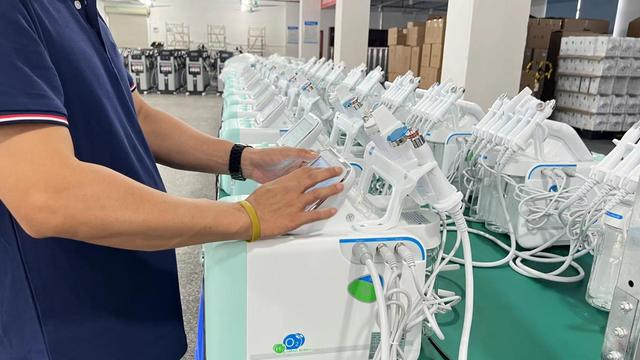
Reliable EMS facial machine manufacturers implement comprehensive, multi-phase testing systems before any product leaves the assembly line:
Mapping the commercial distribution, target segments, and market dynamics of the aesthetic device sector.
In clinical settings, EMS devices are utilized as highly customizable platforms that complement dermal fillers, botulinum toxin injections, and fractional lasers. Clinical directors require powerful, multi-modal units equipped with real-time impedance monitoring, high pulse energy, and localized UI configuration options.
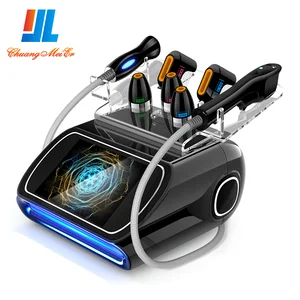
Salons look for cost-efficient, user-friendly, and durable equipment capable of running continuously throughout high-traffic operational days. Key product categories like 12D MFU anti-wrinkle machines, oxygen infusion devices, and LED photodynamic masks fit seamlessly into standard aesthetic workflows.
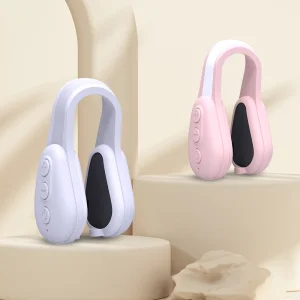
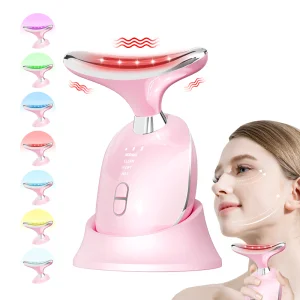
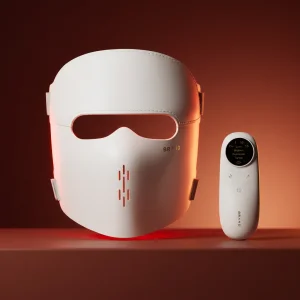
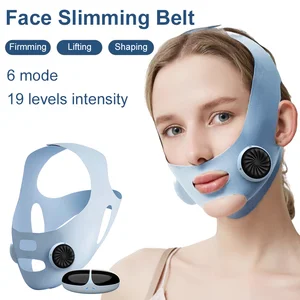
The retail market has seen significant growth in portable, high-frequency massagers, wireless LED masks, and smart V-face slimming belts. These systems must balance lower power profiles with maximum user safety, ergonomic structural designs, and reliable battery lifespans.
A professional China facial machine manufacturer dedicated to the research, development, production, and global distribution of advanced aesthetic solutions.
Guangzhou Nova Beauty Co., Ltd. is a leading aesthetic equipment manufacturer, specializing in the research, development, engineering, and global export of advanced aesthetic systems and clinical skincare devices. Backed by years of industrial design experience and a strong commitment to technological innovation, Nova Beauty delivers high-performance, reliable, and clinically backed equipment to a global clientele.
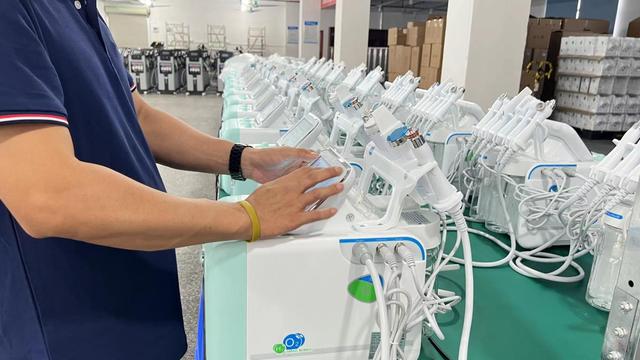
The factory's comprehensive portfolio includes: advanced multi-modal facial machines, Hydra facial systems, RF skin tightening systems, high-intensity focused ultrasound (HIFU) systems, intelligent skin analysis systems, microcurrent stimulators, LED photodynamic therapy equipment, oxygen-infusion facial platforms, and custom aesthetic hardware. These devices are globally deployed in premium medical spas, clinical dermatology centers, luxury wellness salons, and modern skincare institutes.
By centering our business model on innovation and uncompromising quality, our modern production workshops and experienced R&D engineering teams continuously refine our aesthetic platforms. We integrate intelligent microcontroller systems, highly intuitive and multilingual user interfaces, exceptionally stable power supplies, and ergonomics-focused casing designs to meet the strict quality standards of the global aesthetic industry.
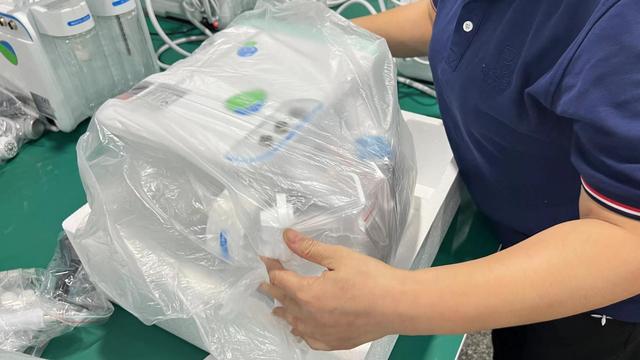
Our manufacturing processes follow strict quality management systems from the selection of raw materials to final device calibration. Specialized quality control personnel verify every assembly stage, ensuring compliance with international safety norms.
To support brands in building market differentiation, Nova Beauty provides highly flexible and professional OEM and ODM services. This enables clients to customize device housings, implement proprietary software interfaces, adapt system parameter maps, and design bespoke product packaging.
Today, Guangzhou Nova Beauty Co., Ltd. serves a diverse and growing global network across Europe, North America, Southeast Asia, the Middle East, and South America, maintaining long-term commercial relationships with leading aesthetic distributors, wholesale suppliers, and skincare chains.

Get authoritative answers to key technical questions concerning EMS facial machine design, engineering, and manufacturing standards.
Professional EMS devices typically utilize a frequency range between 10Hz and 100Hz. Frequencies within this range are highly effective at stimulating motor nerves to cause smooth, controlled muscle contractions without causing discomfort. In contrast, higher frequencies are typically used for thermal treatments (like RF) or to enhance transdermal drug delivery.
All skin-contact electrodes and probes are manufactured using medical-grade materials, such as 316L stainless steel, titanium alloys, or biocompatible gold plating. These materials prevent allergic reactions and resist corrosion when exposed to conductive cosmetic gels or sanitizing chemicals.
The primary differences lie in the output current and customization options. Home-use devices are limited to lower current levels (typically under 500μA) for safety. Professional salon systems offer current levels up to several milliamperes, allowing practitioners to customize pulse widths, waveform combinations, and intensity levels.
RF and EMS target different layers of the facial anatomy. RF energy heats the dermal layer to stimulate collagen production and tighten the skin, while EMS stimulates the underlying facial muscles to restore tone. Combining these modalities provides a comprehensive lifting and skin-tightening effect.
For standard cosmetic modifications, lead times are typically 15 to 25 days. Complex ODM projects involving custom enclosures, custom circuit board designs, or customized software systems require 45 to 60 days, including time for verification and pilot production runs.
Our manufacturing facilities are ISO 13485 compliant. Our products carry CE certificates under the Medical Devices Directive, RoHS compliance reports, and electrical safety reports (IEC 60601-1), ensuring smooth customs clearance globally.
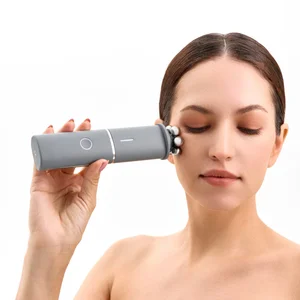
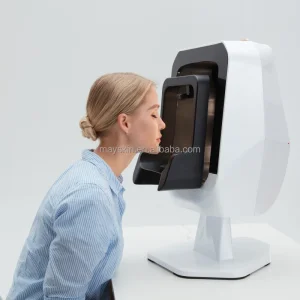
Browse our advanced diagnostic platforms, anti-aging massagers, and automated skin analysis systems.
 Nova Beauty