Premium skin rejuvenation systems, analysis software, and body contouring devices engineered for clinical efficacy.
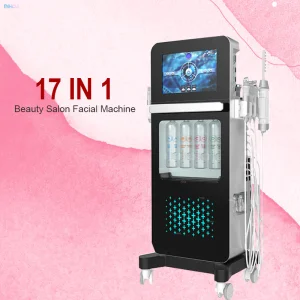
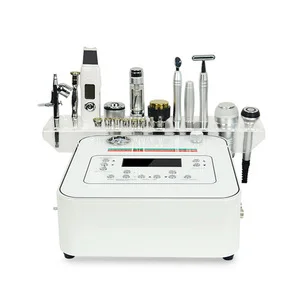
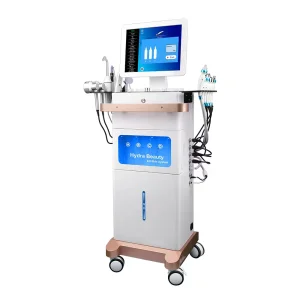
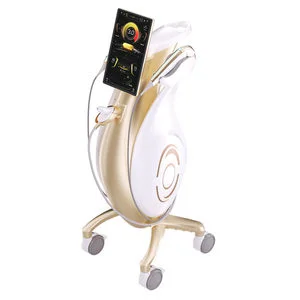
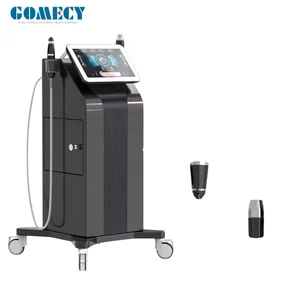
Photon therapy, clinically known as Low-Level Light Therapy (LLLT) or Photobiomodulation (PBM), operates at the intersection of photomedicine and cell biology. By delivering specific narrow-band wavelengths of light, photon therapy machines stimulate cytochrome c oxidase within the mitochondrial respiratory chain. This photo-acceptor activation triggers an upregulation of Adenosine Triphosphate (ATP) synthesis, modulates reactive oxygen species (ROS), and activates downstream transcription factors that drive cellular proliferation, collagen deposition, and localized anti-inflammatory pathways.
On a global scale, the industrial demand for photon therapy has shifted from niche clinical applications to mainstream commercial ecosystems. According to recent medical aesthetic market intelligence, the worldwide light-based therapy market is expanding at a CAGR of over 10.4%. This growth is catalyzed by a growing demographical preference for non-invasive treatments, reduced downtime, and the structural convergence of clinical dermatology devices with user-friendly consumer electronics.
Precision-engineered photo-therapy systems rely on narrow-band spectral configurations to match targeted cutaneous depths:
Guangzhou Nova Beauty Co., Ltd. is a professional China facial machine manufacturer dedicated to the research, development, production, and global distribution of advanced beauty equipment and aesthetic solutions. With extensive industry experience and a strong commitment to innovation, Nova Beauty provides high-quality, reliable, and technology-driven beauty devices for customers worldwide.
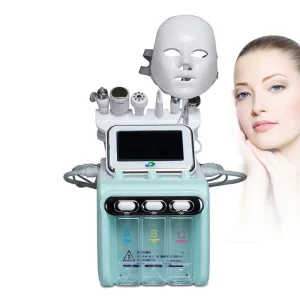
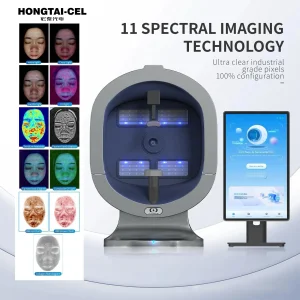
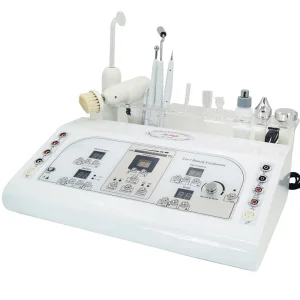
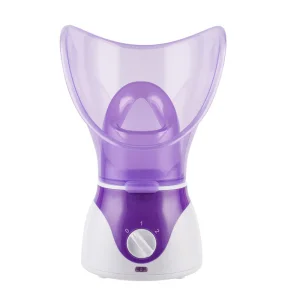
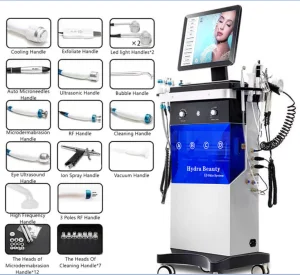
Our comprehensive product portfolio includes facial machines, Hydra facial systems, RF beauty machines, HIFU machines, skin analysis systems, microcurrent devices, LED light therapy equipment, oxygen facial machines, multifunction beauty systems, and customized aesthetic solutions. These products are widely used in beauty salons, spas, aesthetic clinics, wellness centers, and skincare institutions across the globe.
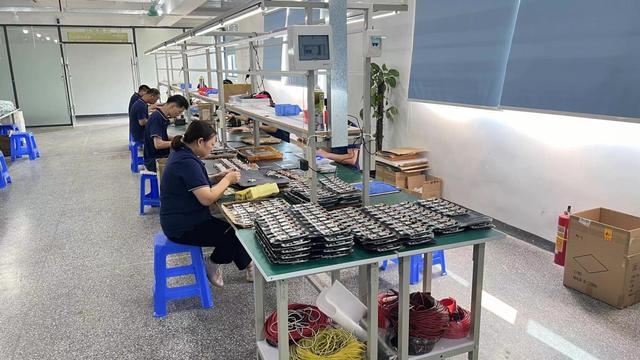
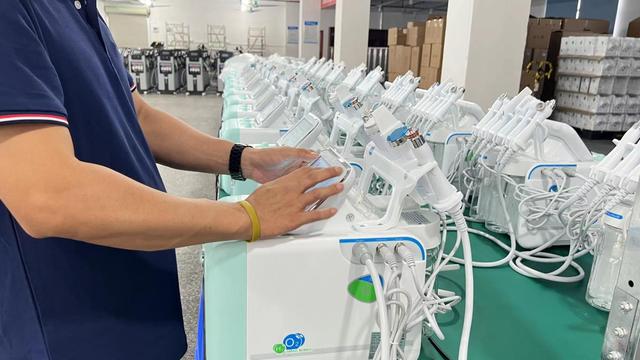
Innovation and quality are at the core of our business. Equipped with modern manufacturing facilities and an experienced R&D team, we continuously develop advanced beauty technologies designed to deliver effective, safe, and non-invasive skincare treatments. Our products feature intelligent control systems, user-friendly interfaces, stable performance, and stylish designs to meet the evolving demands of the global beauty industry.
Quality assurance is implemented throughout every stage of production, from raw material sourcing to final product inspection. Strict manufacturing standards and comprehensive testing procedures ensure that every machine meets international quality and safety requirements. In addition, we offer flexible OEM and ODM services, enabling customers to create customized products and build distinctive beauty brands.
Serving clients in Europe, North America, Southeast Asia, the Middle East, South America, and other international markets, Guangzhou Nova Beauty Co., Ltd. has established long-term partnerships with distributors, wholesalers, salons, and aesthetic professionals worldwide.
A closer look at how local infrastructure, structural material hubs, and optimized labor systems generate global cost advantages.
Guangzhou acts as the global nucleus for electronic components, high-density LED arrays, and injection molding industries. This geographic density enables factories like Nova Beauty to procure top-grade raw materials—such as medical-grade ABS casing, optical quartz lenses, and highly stable power adapters—at unmatched speed and reduced logistical cost.
Rapid iterative prototyping is the standard in southern Chinese aesthetic hubs. CAD modifications can be converted into physical PCB assemblies and functional 3D mockups within 48 to 72 hours, vastly accelerating the time-to-market (TTM) for custom global aesthetic brands seeking ODM services.
Chinese aesthetic factories operate under stringent localized testing protocols aligned with international regulatory matrices. Testing procedures include EMC (Electromagnetic Compatibility) testing, high-voltage leakage safeguards, optical irradiance profiling, and rigorous environmental stress tests to secure CE, FDA, RoHS, and ISO certifications.
1. Professional Dermatology & Medical Aesthetic Clinics: In high-tier medical aesthetic facilities, clinical-grade photon therapy units with variable energy densities are deployed as post-treatment protocols. Following invasive lasers (CO2 fractional, Nd:YAG), micro-needling, or intensive RF procedures, 830nm near-infrared therapy is administered immediately to suppress erythema, decrease downtime, and accelerate epidermal barrier reconstruction.
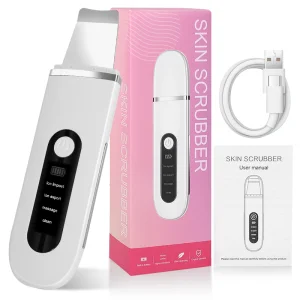
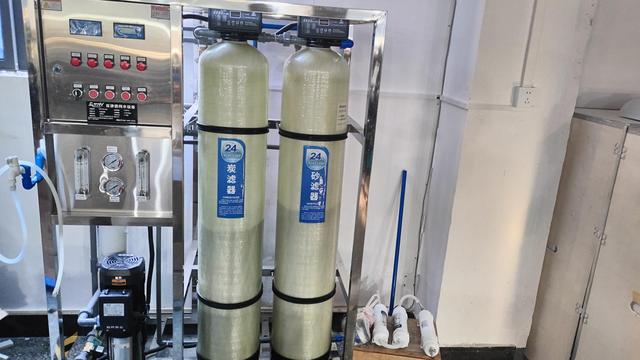
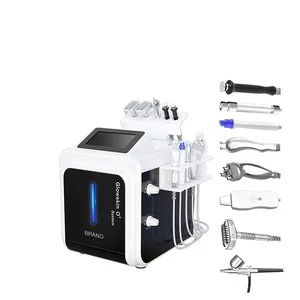
2. Commercial Spas, Salons, and Wellness Centers: Here, the focus shifts to comfortable, non-invasive cosmetic enhancement. Multi-wavelength facial systems (combining water microdermabrasion and photo-rejuvenation) deliver multi-step therapies: sebum extraction, hydrative infusion, and red/green light exposure to restore brightness, reduce fine lines, and address hyperpigmentation.
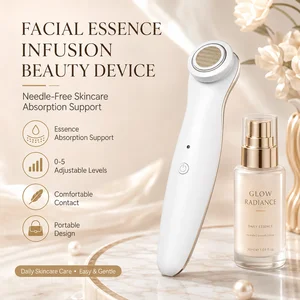
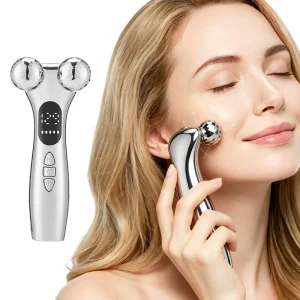
3. The Expanding Consumer Home-Use Market: The integration of microcurrents, thermal energy, and photon therapy into handheld, portable devices (such as Type-C rechargeable beauty tools) has democratized aesthetic therapy. Global brands source high-volume runs of these portable devices from China to capture market share within the rapidly expanding home-care cosmetics space.
For B2B procurement managers, distributors, and spa chain operators, selecting a photon therapy partner demands precise technical evaluation beyond unit pricing:
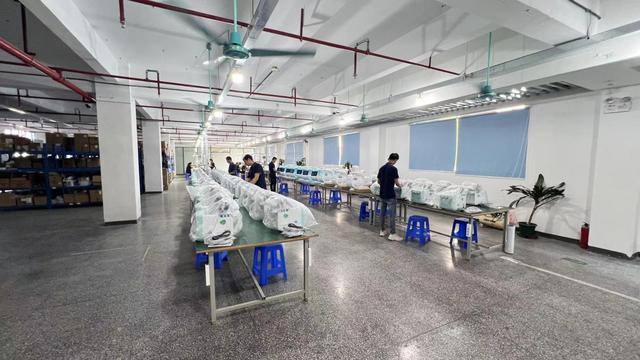
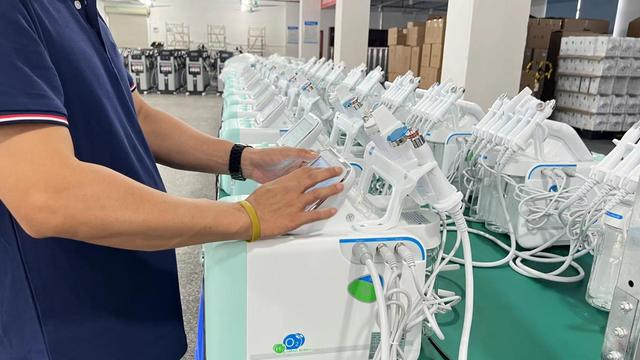
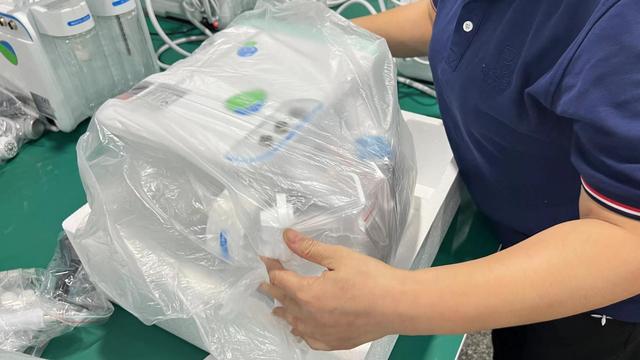
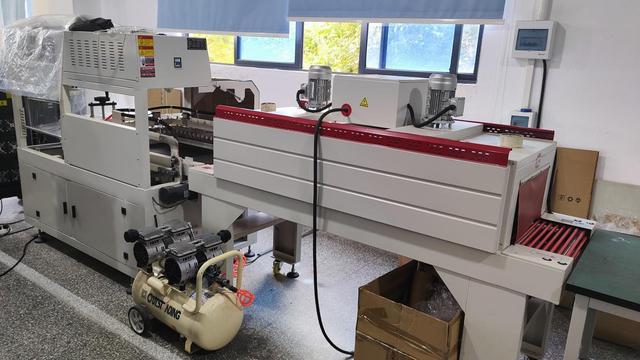
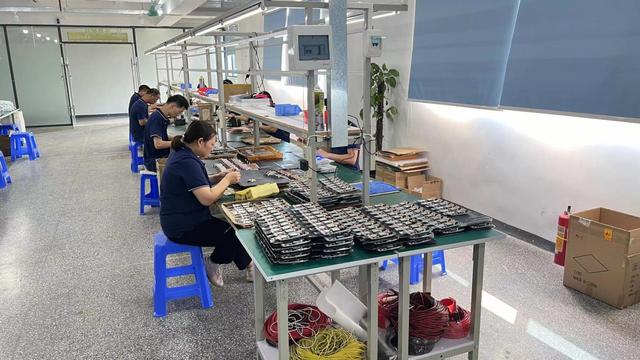
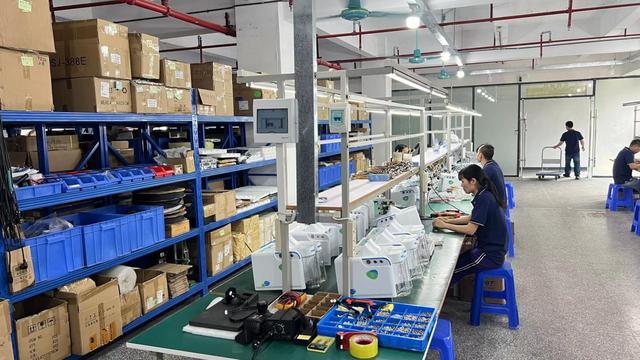
Inside our modern facility: systematic R&D, manufacturing pipelines, clean assembly environments, and strict QC testing protocols.

Direct technical explanations addressing the primary questions posed by engineers, purchasers, and clinical directors.
Therapeutic efficacy is governed by three primary variables: wavelength accuracy, irradiance, and energy density (fluence). The wavelength determines tissue penetration depth (e.g., 630nm for superficial skin, 830nm for deeper vascular layers). Irradiance—measured in milliwatts per square centimeter (mW/cm²)—defines the rate of photon delivery. If the irradiance is too low, the stimulation threshold of target chromophores is not reached. Fluence, measured in Joules per square centimeter (J/cm²), represents the total light energy delivered over time. High-quality factories must calibrate their systems to ensure uniform light output across the entire treatment panel.
This competitiveness stems from industrial integration within Guangdong's manufacturing cluster. The geographic proximity of specialized component factories minimizes transit logistics, while raw materials are acquired in bulk. Automated assembly lines, highly trained technicians, and streamlined processing further lower production costs. These logistics allow manufacturers to allocate resources directly to advanced quality control measures, high-grade optical LED microchips, and robust diagnostic systems.
For European markets, CE marking, EMC compatibility, and LVD (Low Voltage Directive) compliance are mandatory. North American markets typically require FDA registration, FCC compliance, and certification under standards like UL or CSA. Devices must incorporate built-in protection against electrical surges, continuous thermal monitoring to prevent overheating, and isolated power transformers to guarantee patient safety during multi-modality procedures.
Yes. OEM/ODM customization allows buyers to design dedicated enclosures, integrate custom colorways, select targeted light wavelengths, and customize software GUI styles. Advanced suppliers like Nova Beauty utilize specialized engineering departments to guide clients through housing prototyping, PCB layout design, control firmware development, and safety certification upgrades to bring custom concepts to market.
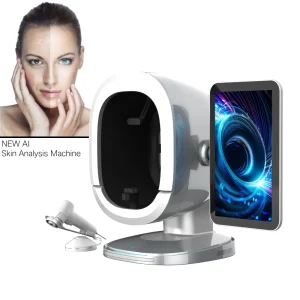
Integrating 3D AI Skin Analysis allows clinicians to precisely measure epidermal parameters, pigment density, and pore structure before starting treatment. This diagnostic layer helps practitioners customize wavelength settings, treatment duration, and light intensities for each patient's skin type, yielding more predictable clinical outcomes and increasing client retention rates.
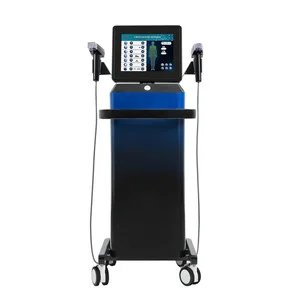
Discover our medical-grade radiofrequency, hydro-dermabrasion, and non-surgical lifting systems designed for global distributors.
 Nova Beauty