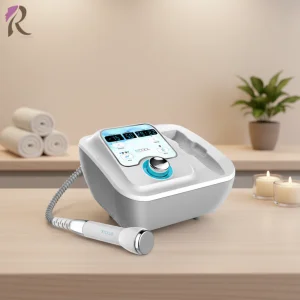
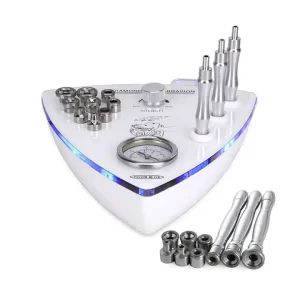
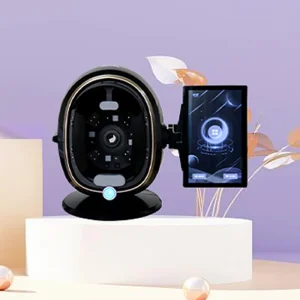
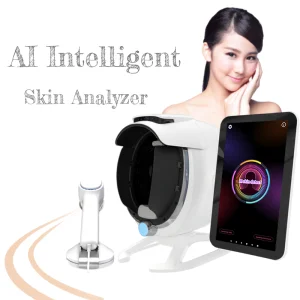
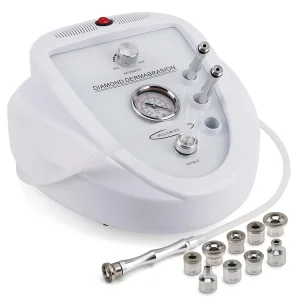
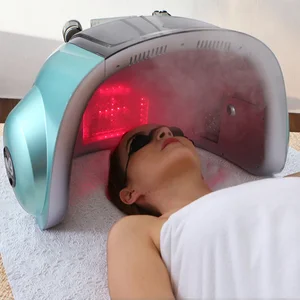
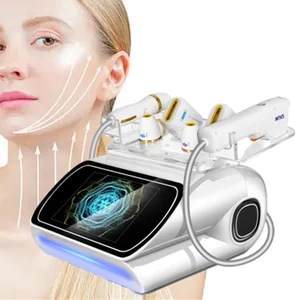
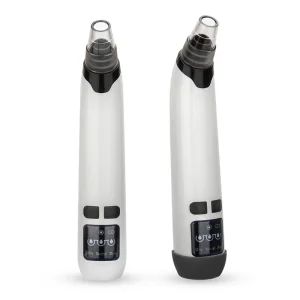
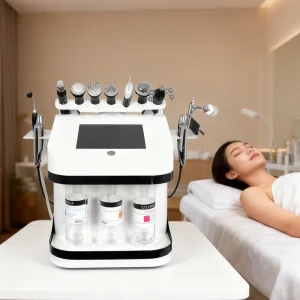
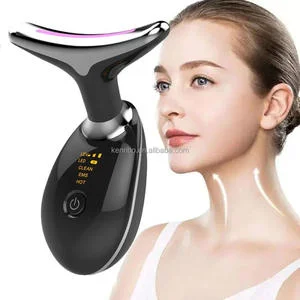
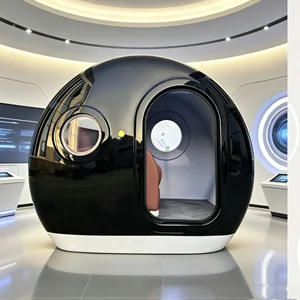
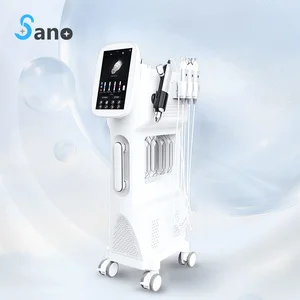
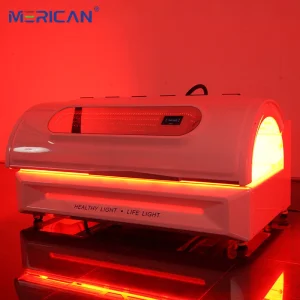
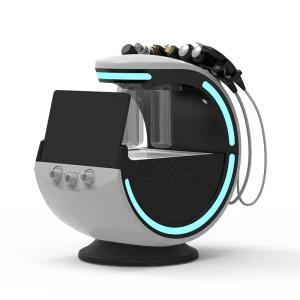
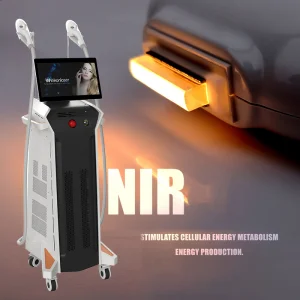
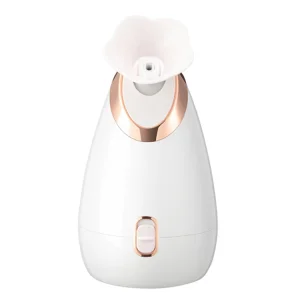
Select premium professional systems deployed in advanced clinics, medical spas, and high-performance skincare centers worldwide.
Why next-generation Face Serum Infusers are disrupting the traditional skincare delivery landscape.
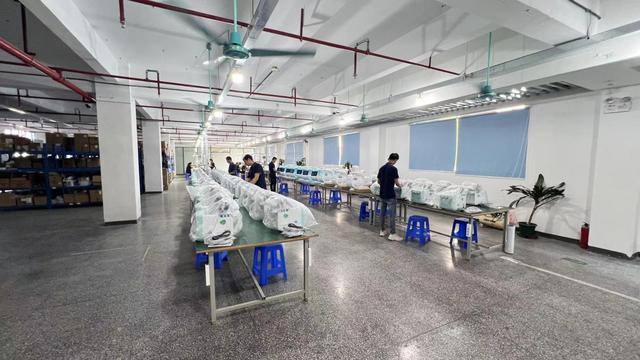
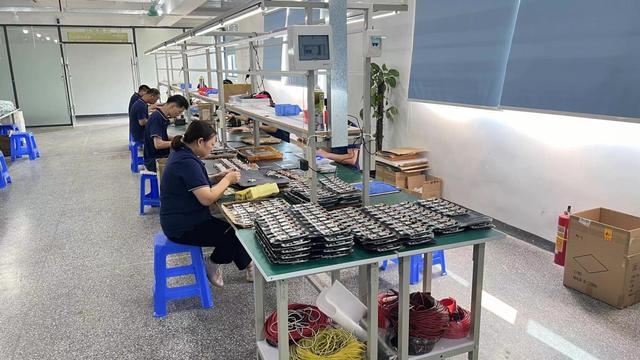
The global aesthetic devices market relies extensively on high-precision hubs in Southern China. Modern factories in Guangzhou and Shenzhen have transitioned from basic contract assembly to Advanced Industry 4.0 Ecosystems. These facilities leverage automated SMT lines, automated optical inspection (AOI), and dust-free assembly environments to produce medical-grade aesthetic equipment.
By establishing your procurement pipeline directly with Chinese manufacturers, global brands gain several distinct advantages:
Before selecting a manufacturing partner, request the following standard validation documents:
| Audit Type | Industry Requirement |
|---|---|
| Quality System | ISO 13485 (Medical Devices) & ISO 9001 |
| Safety Marks | CE-MDR, FDA Class II Cleared, RoHS, FCC |
| IP Ratings | IP22 to IPX5 water/dust proofing validation |
| Traceability | Component serialization and batch-testing logs |
The next five years will redefine facial delivery devices. Keep your portfolio ahead of competitors by tracking these technology horizons:
Integrated 3D optical sensors analyzing sebum levels, pore elasticity, and structural wrinkles in real-time. The infuser automatically calibrates micro-current frequencies and infusion speeds based on local skin impedance data.
Simultaneously applying target wavelengths (415nm Blue for sanitization, 590nm Amber for cellular energy, 660nm Red for collagen synthesis) alongside the nutrient infuser matrix to amplify cellular absorption.
Smart sensors embedded within handpieces measure skin hydration levels pre and post-treatment, displaying real-time success metrics to both clinical technicians and home users.
Analysis of广州 Nova Beauty's engineering capacity and global product catalog.
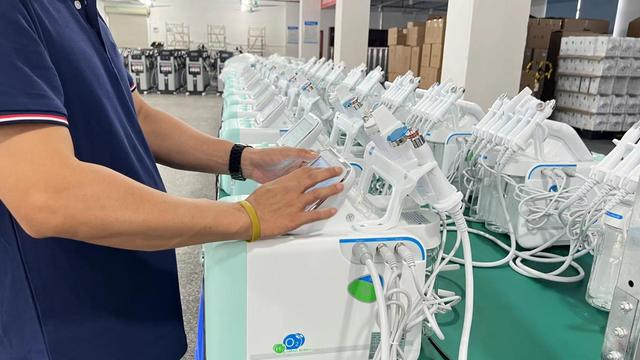
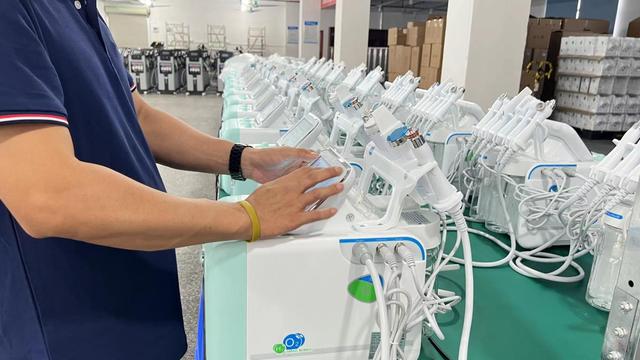
Guangzhou Nova Beauty Co., Ltd. is a professional China facial machine manufacturer dedicated to the research, development, production, and global distribution of advanced beauty equipment and aesthetic solutions. With extensive industry experience and a strong commitment to innovation, Nova Beauty provides high-quality, reliable, and technology-driven beauty devices for customers worldwide.
Our comprehensive product portfolio includes facial machines, Hydra facial systems, RF beauty machines, HIFU machines, skin analysis systems, microcurrent devices, LED light therapy equipment, oxygen facial machines, multifunction beauty systems, and customized aesthetic solutions. These products are widely used in beauty salons, spas, aesthetic clinics, wellness centers, and skincare institutions across the globe.
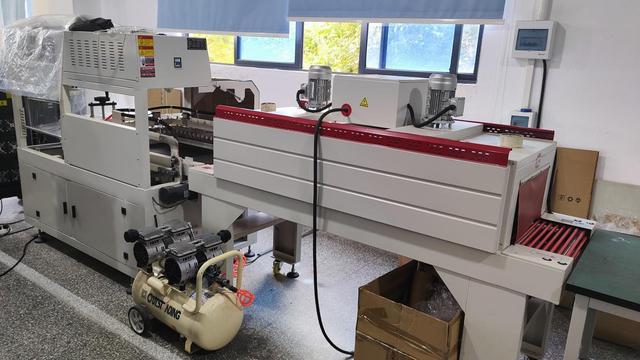
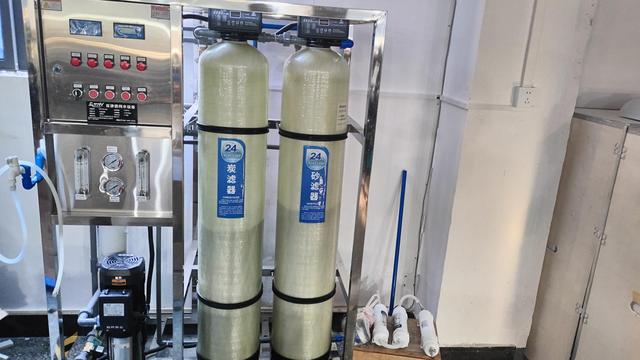
Innovation and quality are at the core of our business. Equipped with modern manufacturing facilities and an experienced R&D team, we continuously develop advanced beauty technologies designed to deliver effective, safe, and non-invasive skincare treatments. Our products feature intelligent control systems, user-friendly interfaces, stable performance, and stylish designs to meet the evolving demands of the global beauty industry.
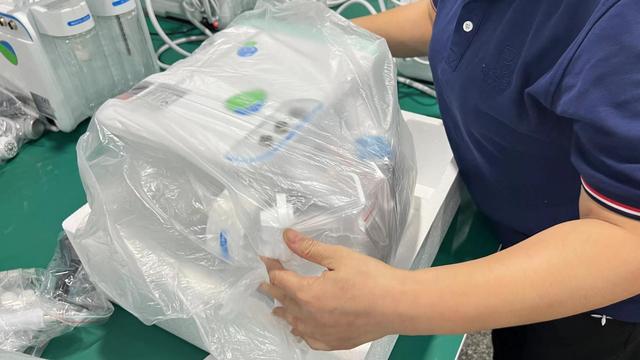
Quality assurance is implemented throughout every stage of production, from raw material sourcing to final product inspection. Strict manufacturing standards and comprehensive testing procedures ensure that every machine meets international quality and safety requirements. In addition, we offer flexible OEM and ODM services, enabling customers to create customized products and build distinctive beauty brands.
Serving clients in Europe, North America, Southeast Asia, the Middle East, South America, and other international markets, Guangzhou Nova Beauty Co., Ltd. has established long-term partnerships with distributors, wholesalers, salons, and aesthetic professionals worldwide.

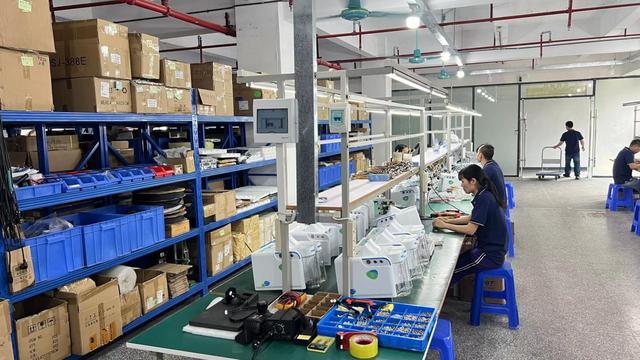
How elite manufacturers help B2B buyers navigate international trade and regional regulations.
For brands seeking to establish a proprietary footprint, customization is key. Elite factories offer end-to-end product design cycles, including:
Navigating cross-border medical shipments requires complex compliance certifications. Leading production houses address this through active assistance programs:
Answering critical engineering and importing questions for professional medical buyers, clinic networks, and skincare distributors.
Browse premium multi-technology aesthetic workstations, light therapy arrays, and facial deep extraction apparatuses.
 Nova Beauty