Explore our high-performance non-invasive systems designed for clinics, distributors, and professional spas.
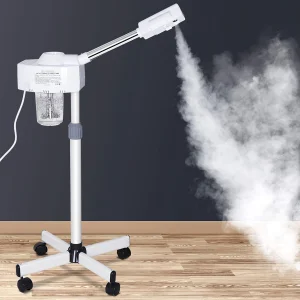
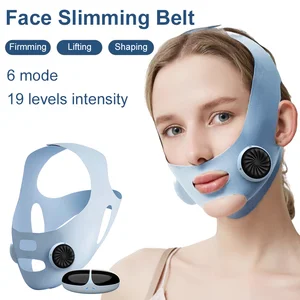
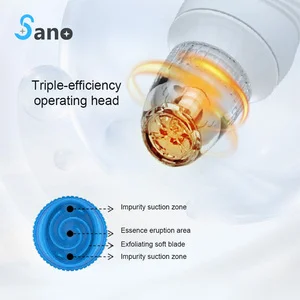
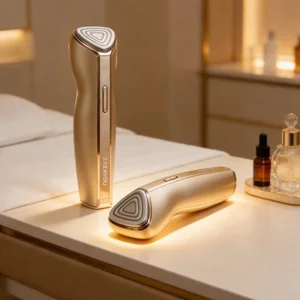
The global demand for non-invasive medical aesthetics and body contouring systems has grown exponentially over the past decade. Industry statistics project the non-invasive body shaping market to expand at a Compound Annual Growth Rate (CAGR) of over 14.5%. Modern consumers increasingly opt for therapies with minimal to zero downtime, steering clear of traditional surgical options like liposuction. Key drivers include a demographic shift toward proactive aging management, rapid clinical developments in localized adipocyte destruction (fat reduction), and the integration of muscular reinforcement techniques.
For clinical procurement agents, wholesalers, and medical-spa owners, building relationships directly with primary manufacturers in key production regions has become essential for survival. Modern body shaping relies on multi-platform devices combining electromagnetic induction, localized hypothermia, radiofrequency deep tissue heating, and targeted vacuum mechanisms. Navigating this equipment market demands an in-depth understanding of production origin, certification levels, engineering protocols, and total cost of ownership (TCO).
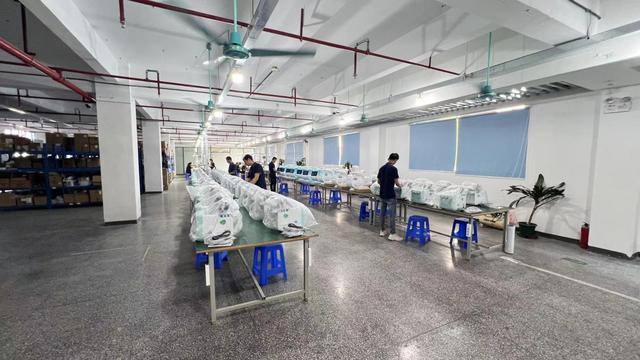
Understanding the bio-physics and clinical mechanics of leading aesthetic device modalities.
Utilizes controlled tissue cooling to trigger targeted apoptosis of subcutaneous adipocytes without damaging the surrounding vascular or nervous systems. Advanced systems employ 360-degree surrounding cooling applicators, dramatically shortening treatment cycles while improving coverage uniformity.
Delivers electromagnetic energy that induces supramaximal muscle contractions impossible through voluntary exercise. This mechanical workload triggers myofibril hypertrophy (muscle growth) and hyperplasia (new fiber creation), yielding simultaneous fat lipolysis and core muscle remodeling.
Employs alternating currents at high frequencies to induce electrical impedance within the dermis and subcutaneous fat layer. The resulting thermal energy shrinks existing collagen fibers, triggers neocollagenesis (new collagen synthesis), and accelerates local metabolic activity in fat tissue.
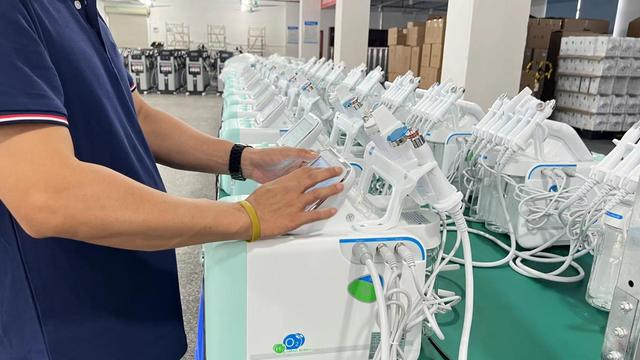
China's rise as a premier manufacturing hub for body contouring and skincare systems stems from deep vertical integration and continuous R&D investments. Guangzhou, in particular, has emerged as a center for precision optical, mechanical, and electrical engineering in aesthetics. Leading manufacturers here do not merely assemble components; they design complex control boards, optimize cooling loops, and refine user interface software.
The competitive edge of top-tier Chinese exporters lies in their agile engineering pipelines. By leveraging centralized component ecosystems, these factories can iterate on new technologies, such as combining cryo-electroporation and vacuum dermabrasion in a single system, much faster than Western competitors. In addition, lower overheads enable high-quality raw materials (such as German medical-grade connectors, Japanese capacitors, and British xenon lamps) to be integrated at highly competitive price points.
Guangzhou Nova Beauty Co., Ltd. stands at the forefront of the Chinese medical aesthetic manufacturing sector. Dedicated to the research, development, production, and global export of advanced beauty equipment, Nova Beauty has built its reputation on reliability, clinical safety, and technology-driven devices.
The company's product portfolio covers a wide range of aesthetic technologies: Hydra facial systems, RF beauty devices, high-intensity focused ultrasound (HIFU) systems, advanced skin analysis systems, microcurrent devices, LED light therapy equipment, oxygen facial systems, and multi-functional wellness platforms. Engineered for professional environments, these systems deliver reliable performance in medical clinics, high-end spas, wellness centers, and beauty salons globally.
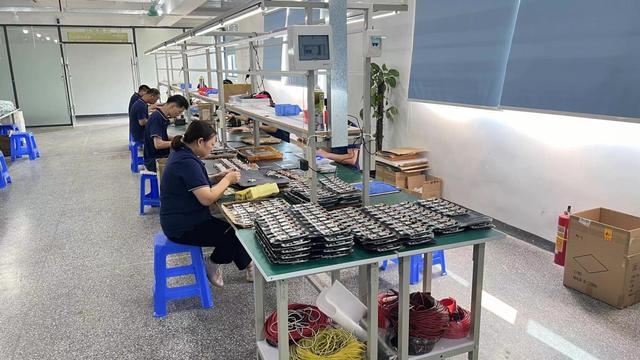
At the core of Nova Beauty's business is a commitment to strict manufacturing standards. Guided by a veteran R&D team and using advanced manufacturing facilities, the company enforces rigorous quality control across every production stage—from raw material inspection and PCB burn-in testing to final calibration. This focus ensures every unit complies with international safety requirements, giving distributors and global partners the confidence to grow their brands.
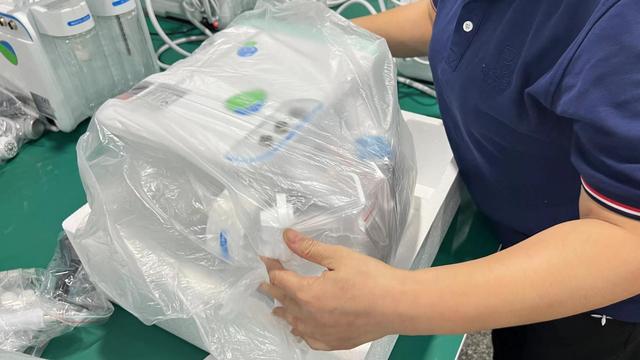
Navigating certification, power specifications, and brand customization for international markets.
Exporting to North America and Europe requires strict adherence to safety standards. Manufacturers must offer CE certification, Rohs reports, and align with ISO 13485 quality systems. This ensures electrical safety, electromagnetic compatibility, and reliable clinical performance in professional clinics.
For large-scale distributors, private labeling is key to building market equity. Leading factories offer deep OEM/ODM customization, allowing buyers to customize outer chassis designs, incorporate brand logos, modify color schemes, and translate software interfaces into multiple languages.
Operational issues can occur if a device does not match local power grids. Experienced exporters handle these details at the factory level, supplying matching power cords (US, EU, UK, AU, IT) and configuring internal transformers to handle local voltage fluctuations.
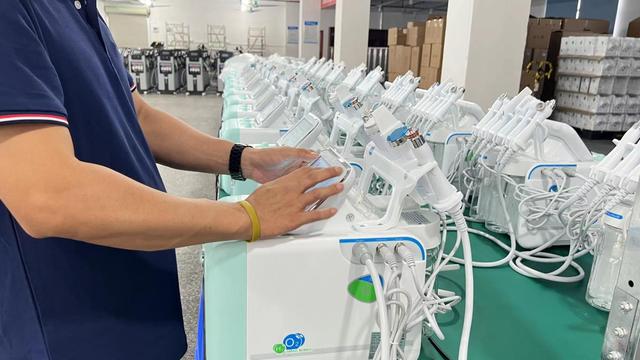
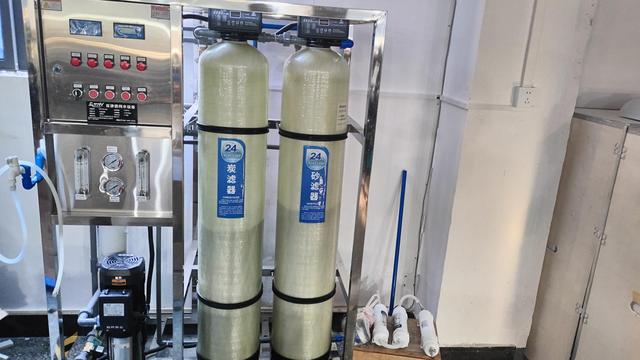
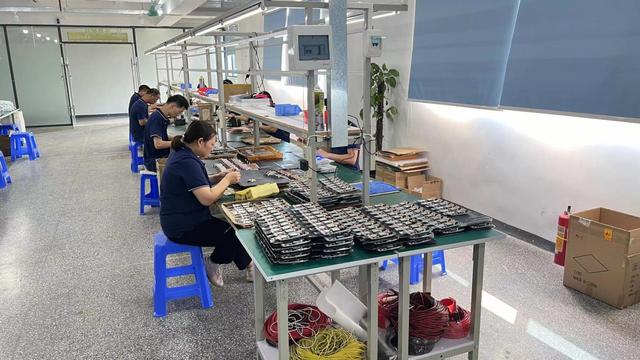
A view inside our assembly rooms, aging test benches, and quality assurance divisions.
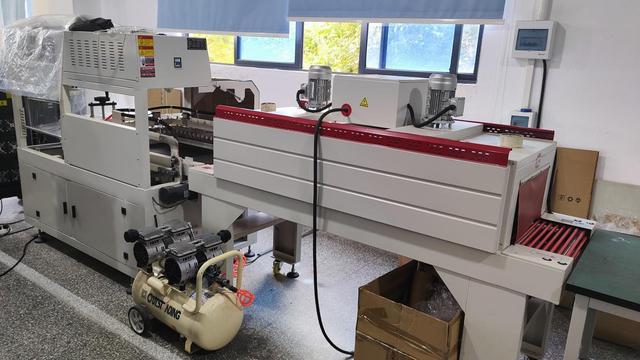

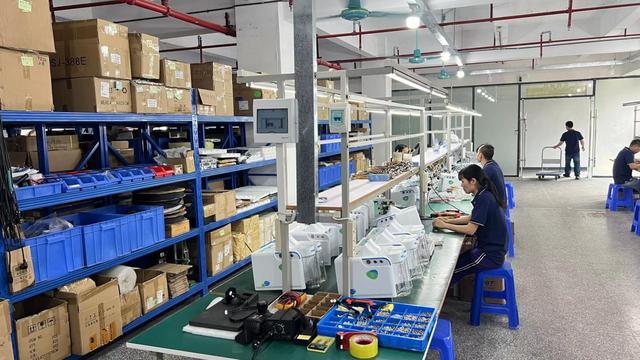
Procuring capital equipment directly from manufacturers in China requires careful evaluation of more than just hardware unit costs. To protect profit margins and maintain high service standards, global distributors should implement a structured vetting process.
1. Verify Component Sourcing: Ask for detailed datasheets specifying the origin of critical parts. Premium body shaping machines should use Japanese power capacitors to manage voltage discharge safely, and German fluid pumps to keep cooling systems running consistently during back-to-back treatments.
2. Evaluate Thermal Management: The performance and lifespan of body contouring devices depend heavily on heat dissipation. Poorly cooled systems can overheat, causing safety cutoffs and interrupting client treatments. Look for systems built with thick copper radiators and high-performance brushless fans.
3. Check Testing and Quality Auditing: Ask for documentation of the factory's quality checks. Standard protocol requires running every completed machine for at least 48 to 72 hours continuously. This testing helps identify potential component failures or calibration issues before the unit is packaged and shipped.
Answering key technical, regulatory, and logistics questions from professional aesthetic equipment buyers.
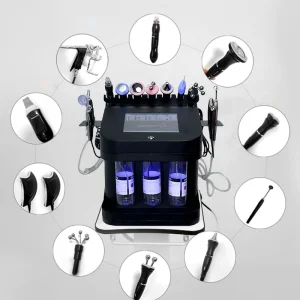
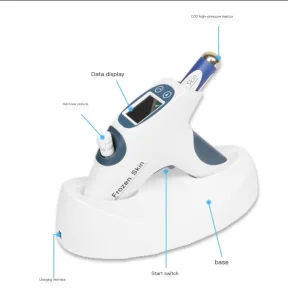
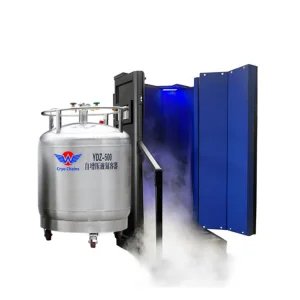
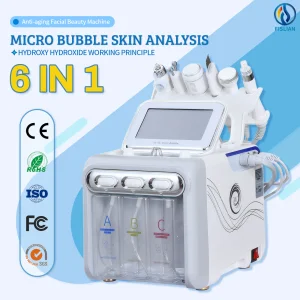
Additional systems designed to broaden your treatment options and enhance clinic profitability.

 Nova Beauty