Why Are Non Invasive Facial Treatments So Popular?

Time:2026-09-25 Author:Mason
0%

Why are non-invasive facial treatments becoming popular? For many people, the appeal is practical: visible skin concerns can be addressed without surgery or a lengthy recovery. A lunch-break appointment may involve gentle exfoliation, targeted light, or a small injection, depending on the treatment. The experience is not always effortless. Redness, sensitivity, cost, and repeat visits can matter.

Cosmetic dermatologist Dr. Howard Murad is widely associated with the line, “Aging is a fact of life. Looking your age is not.” It captures a desire for choice, though it should not be mistaken for medical advice or a promise of results. Treatments such as chemical peels, laser procedures, and injectables work in different ways. Their benefits and risks vary with the person, device, product, and provider.

That distinction helps explain why are non-invasive facial treatments becoming popular: they offer flexible options, often with less downtime than surgery, while fitting into familiar skincare routines. Some people want smoother texture; others hope to soften fine lines before a special event. Small changes count. Yet popularity can make a procedure seem simpler than it is. A qualified clinician should discuss realistic outcomes, possible side effects, and whether doing nothing is also a reasonable choice. Results are individual, and careful questions belong in the process.
Why Are Non Invasive Facial Treatments So Popular?

What Qualifies as a Non-Invasive Facial Treatment?

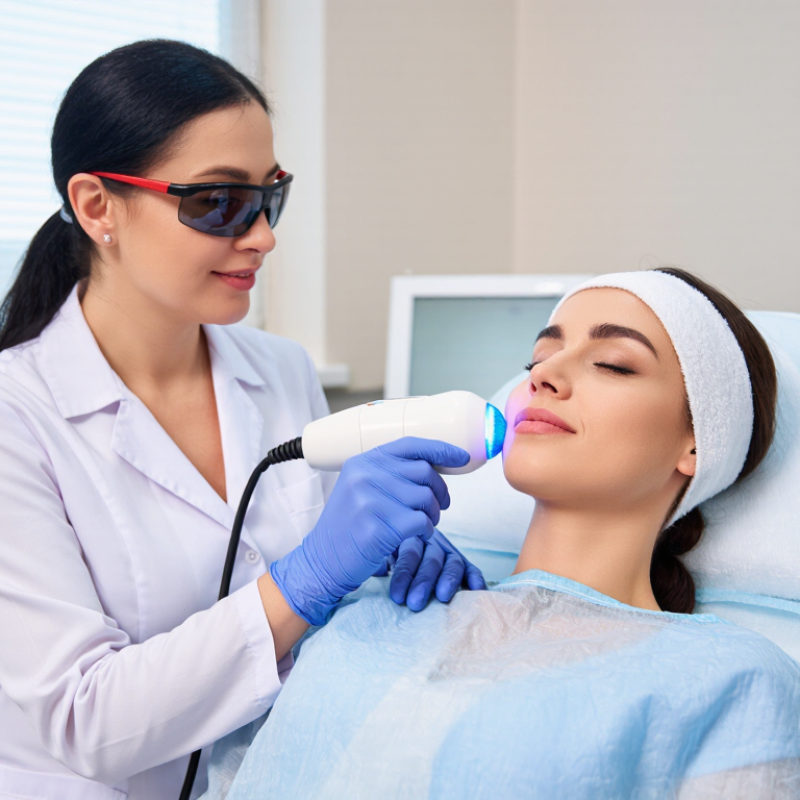
A non-invasive facial treatment works on the skin without cutting it or inserting a needle. Common examples include cleansing facials, gentle exfoliation, masks, LED light, and some energy-based treatments. You might notice mild redness or warmth afterward. That distinction matters. The label can be fuzzy, and providers may classify certain devices or peels differently. Some procedures described as “non-surgical” are still minimally invasive, so ask exactly what the treatment involves.

Before booking, ask whether the skin barrier will be disrupted, what the treatment feels like, and how long effects may last. A qualified practitioner should explain likely benefits, limitations, possible irritation, and reasons to postpone treatment. For example, active eczema, recent sunburn, or certain medications may affect suitability. Disclose relevant health conditions and skincare products. Good guidance includes aftercare and sun protection, plus advice on what to do if irritation persists. Results vary with skin type, technique, and settings; one session may not create lasting change. That can be disappointing. “Non-invasive” does not mean risk-free or suitable for everyone. A calm consultation is often more useful than a dramatic promise.

ASPS Counted 25.4 Million Minimally Invasive Cosmetic Procedures in the U.S. in 2023

Why Are Non-Invasive Facial Treatments So Popular?

ASPS Counted 25.4 Million Minimally Invasive Cosmetic Procedures in the U.S. in 2023

The American Society of Plastic Surgeons reported about 25.4 million minimally invasive cosmetic procedures in the United States in 2023. Its annual Plastic Surgery Statistics Report tracks procedures such as injectable treatments and skin resurfacing. The figure signals substantial demand, though it does not tell us why each person chose treatment.

Many people appreciate options that may fit around work or family schedules. A brief appointment can feel more manageable than surgery, and some treatments offer gradual changes. But “non-invasive” does not mean risk-free or suitable for everyone. Results, recovery, and side effects vary by procedure and person. A large national total is informative. It is not proof that a treatment will work for you.

Tips: Ask a qualified medical professional about credentials, likely benefits, risks, recovery, and alternatives. Bring a list of medications and health concerns. Request realistic expectations, not promises. It can be tempting to focus on a quick appointment; I’d still take time to compare options and reflect before deciding.

How Less Downtime and Lower Commitment Can Attract Patients

Non-invasive facial treatments appeal to people who want visible skin improvements without planning around major recovery. A brief appointment can fit between work and errands. Some treatments may cause temporary redness or sensitivity, so “no downtime” is not a promise for everyone. That detail matters.

Lower commitment can also make a first step feel manageable. Patients can ask about one concern, such as uneven tone or fine lines, and discuss whether a treatment suits their skin and goals. Results are often gradual, and more than one session may be suggested. Still, pause before booking. A short procedure is not automatically the right choice.

A careful consultation should cover medical history, skin sensitivity, likely side effects, expected results, and aftercare. Ask how long redness or swelling might last, and what signs should prompt a call to the provider.

Before-and-after photos can help, but lighting and timing affect what they show. Convenience is valuable, yet it should not replace clear information or realistic expectations. Even a modest treatment deserves a thoughtful decision.

Botulinum Toxin and Fillers Among ASPS’s Most-Performed Minimally Invasive Treatments

Why are botulinum toxin injections and fillers among the most-performed minimally invasive treatments? The numbers offer one clue.

9.48 million
botulinum toxin procedures

5.28 million
soft-tissue filler procedures

The American Society of Plastic Surgeons’ 2023 Plastic Surgery Statistics Report counted about 9.48 million botulinum toxin procedures and 5.28 million soft-tissue filler procedures in the United States. These are procedure counts, not unique patients. That distinction matters.

The treatments address different concerns. Botulinum toxin temporarily reduces targeted muscle activity, which can soften some expression lines. Fillers add volume or shape to areas such as the cheeks or lips.

Both are injectable procedures, despite the common “non-invasive” label. They usually involve little downtime, but that does not make them risk-free. Bruising, swelling, discomfort, and less common complications can occur.

Popularity may reflect convenience and visible, tailored changes. Still, a crowded waiting room is not evidence that a treatment suits everyone.

A qualified medical professional should review health history, facial anatomy, expectations, and possible risks before treatment. Good results depend on careful assessment, not simply choosing a popular procedure.

And outcomes vary. The ASPS figures describe a national trend, not a recommendation for any individual.

How Qualified Providers, Risks, and Realistic Goals Guide Treatment Choices

Non-invasive facial treatments are popular because they may offer visible changes without surgery or a lengthy recovery. A lunch-break appointment sounds convenient, but treatment times and recovery vary. “Non-invasive” does not mean risk-free. Details matter.

A qualified provider should explain their relevant training, assess your skin and health history, and describe why a particular treatment may suit you. Ask what sensation to expect, how many sessions are typical, and who handles complications. Mention medications, allergies, and past skin reactions. Redness, swelling, irritation, or burns can occur, depending on the procedure and individual circumstances. Risks vary. If answers feel rushed or promises sound certain, pause before booking.

Realistic goals make decisions safer and less frustrating. A treatment might soften a specific concern, but it may not erase deep lines or produce dramatic change. Bring a clear description of what bothers you, perhaps a photo taken in ordinary daylight. Ask how results are measured and when they should appear. Before-and-after pictures can help, though lighting and angles may mislead. I find this part easy to underestimate: subtle results can still matter, but they may not match an idealized image.

FAQS

How many minimally invasive cosmetic procedures were reported in the United States in 2023?

About 25.4 million procedures were reported. This total shows substantial demand, but it does not explain why each person chose treatment.

What do procedure counts tell us about individual patients?

They count procedures, not unique patients. One person may have more than one procedure. Numbers are not recommendations.

Which injectable treatments were especially common?

Reports counted about 9.48 million botulinum toxin procedures and 5.28 million soft-tissue filler procedures. These treatments address different concerns.

How do botulinum toxin and fillers differ?

Botulinum toxin temporarily reduces targeted muscle activity and may soften some expression lines. Fillers add volume or shape to areas such as cheeks or lips.

Does “non-invasive” mean a treatment has no risks?

No. Bruising, swelling, discomfort, irritation, or burns may occur, depending on the treatment and person. Risks vary.

What should I ask a provider before treatment?

Ask about relevant training, likely benefits, risks, recovery, alternatives, and complication care. Share your medications, allergies, and past skin reactions. Details matter.

How can I set realistic expectations?

Describe the concern you want to address, such as a line visible in daylight. Ask when results may appear and how they will be assessed. Subtle changes may still matter.

Are before-and-after photos reliable guides?

They can offer useful examples, but lighting and camera angles may change how results look. I can see why an idealized image is persuasive; it may not predict your outcome.

Conclusion

Non-invasive facial treatments are procedures that improve the face without surgery or extensive recovery, often using injections or other minimally invasive techniques. Their appeal is reflected in the 25.4 million minimally invasive cosmetic procedures counted in the United States in 2023. Many people are drawn to options that may involve less downtime and a smaller commitment than surgery, while still offering a way to address concerns such as wrinkles or facial volume.

So, why are non-invasive facial treatments becoming popular? Botulinum toxin treatments and dermal fillers are among the most commonly performed minimally invasive options, but popularity should not replace careful decision-making. A qualified provider can explain potential benefits, risks, and limitations, and help patients set realistic expectations. Choosing a treatment suited to individual goals and health considerations is essential for making an informed choice.

Mason

Mason

Mason is a seasoned marketing professional with a deep expertise in the company's offerings and a passion for driving brand awareness. With a strong background in digital marketing strategies, he has an innate ability to connect with diverse audiences and effectively communicate product benefits.......