China’s facial technology market is changing how clinics approach visible signs of aging. This guide examines China’s top 10 facial technologies for anti-aging treatments, including radiofrequency, focused ultrasound, LED therapy, microcurrent, IPL, fractional laser, and advanced skin imaging.
A central question guides the discussion: how does facial technology support anti-aging treatments? These devices may stimulate collagen, improve skin texture, reduce uneven pigmentation, or temporarily tighten loose skin. Results depend on the device, treatment settings, skin condition, and practitioner training. Technology is not magic.
Board-certified dermatologist Dr. Rebecca Fitzgerald has emphasized, “There is no one-size-fits-all approach to aging.” Her point matters here. A glowing clinic photograph cannot replace a proper consultation, medical history, or realistic treatment plan. Experienced practitioners should assess skin thickness, sensitivity, pigmentation risk, and previous procedures before recommending technology.
This overview will compare each option by purpose, treatment experience, expected results, limitations, and safety considerations. For example, a patient may feel gentle warmth during radiofrequency treatment, while fractional laser therapy can produce redness and several days of recovery. LED sessions often feel calm and painless, but their results may appear gradually.
The comparison will also consider clinical evidence, device certification, operator expertise, and aftercare quality. Some technologies are promising, yet their marketing can move faster than independent research. That deserves reflection. The strongest anti-aging plan may combine professional assessment, daily sunscreen, healthy skin habits, and carefully selected technology rather than relying on one dramatic procedure.
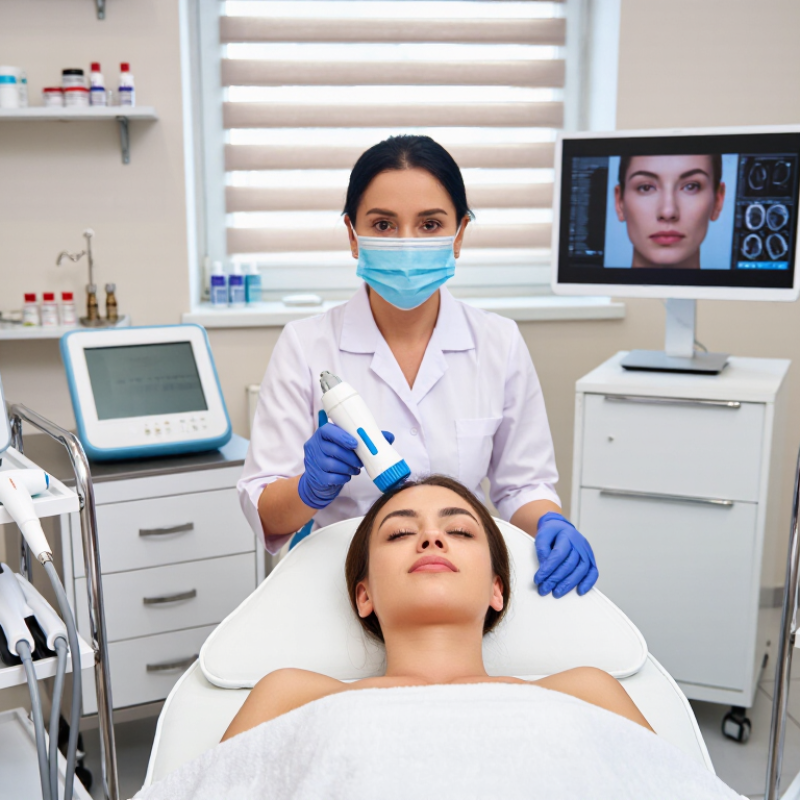
China’s leading facial anti-aging technologies are defined by integration, not impressive device counts. Clinics increasingly combine high-resolution skin imaging with professional assessment. This helps identify pigmentation, laxity, fine lines, and uneven texture before treatment begins. A useful consultation should include medical history, skin sensitivity, previous procedures, and realistic goals. Clear consent matters.
Common options include radiofrequency, focused ultrasound, fractional laser, LED therapy, and controlled microneedling. Their value depends on suitable energy levels, accurate placement, hygiene, and trained operators. During treatment, patients may notice gentle warmth, cooling gel, or brief pinpricks. These details matter because comfort can influence cooperation and recovery. Strong clinics record settings and photograph progress under consistent lighting.
Evidence should guide every recommendation. Peer-reviewed research, qualified practitioners, transparent risks, and careful aftercare are stronger indicators than dramatic advertising. No device is perfect. Results differ with age, sun exposure, skin condition, and healing response. Some providers may still promise faster changes than clinical evidence supports. That deserves questioning. Leading practice also includes patch testing when appropriate, sun protection advice, and follow-up checks. A thoughtful treatment plan may use fewer procedures, spaced over time, instead of chasing instant transformation.
| Rank | Facial Technology | Primary Anti-Aging Target | How It Works | Typical Course | Downtime | Evidence Level | Important Considerations |
|---|---|---|---|---|---|---|---|
| 1 | Fractional Laser Resurfacing | Fine lines, uneven texture, acne scars and photoaging | Creates controlled microscopic treatment zones that stimulate wound healing, collagen remodeling and epidermal renewal. | Usually 1–3 sessions | 2–10 days, depending on intensity | Strong | Requires strict photoprotection; darker skin types may have a higher risk of post-inflammatory hyperpigmentation. |
| 2 | Radiofrequency Microneedling | Skin laxity, wrinkles, enlarged pores and acne scarring | Insulated or non-insulated needles deliver radiofrequency heat into the dermis while microneedles stimulate repair. | 2–4 sessions | 1–3 days | Moderate to strong | Treatment depth and energy settings should be adjusted for skin thickness, sensitivity and pigmentation risk. |
| 3 | Microfocused Ultrasound | Mild-to-moderate facial and neck laxity | Focused ultrasound energy produces thermal coagulation points at selected tissue depths, supporting collagen contraction and remodeling. | Often 1 session; maintenance may be needed | Little to none | Moderate | Results develop gradually; temporary tenderness, swelling or altered sensation can occur. |
| 4 | Non-Invasive Radiofrequency | Early laxity, fine lines and skin firmness | Heats the dermis to encourage collagen remodeling without removing the skin surface. | 4–6 sessions commonly used | None or minimal | Moderate | Effects are generally subtle and cumulative; excessive heat may cause burns if poorly controlled. |
| 5 | Hyaluronic Acid Dermal Fillers | Volume loss, facial folds, lip and cheek contour | Injectable hyaluronic acid temporarily restores volume and attracts water within the treated tissue. | Usually 1 treatment; review as needed | 1–7 days | Strong | Must be administered by a qualified medical professional; rare but serious vascular complications require urgent management. |
| 6 | Botulinum Neurotoxin Injections | Dynamic forehead lines, glabellar lines and crow’s feet | Temporarily reduces targeted muscle activity, softening expression-related wrinkles. | Usually repeated every 3–6 months | Minimal; small bruises possible | Strong | Correct dosing and anatomy knowledge are essential to reduce asymmetry, eyelid drooping or an unnatural appearance. |
| 7 | Intense Pulsed Light | Sun spots, redness, visible capillaries and uneven tone | Broad-spectrum filtered light targets melanin and hemoglobin, helping reduce selected pigment and vascular discoloration. | 3–5 sessions | 1–7 days of redness or darkening | Moderate to strong | Not a conventional skin-tightening treatment; settings must be selected carefully for darker or recently tanned skin. |
| 8 | Medical Microneedling | Fine lines, texture, enlarged pores and superficial scars | Creates controlled micro-injuries that activate wound-healing pathways and new collagen formation. | 3–6 sessions | 1–3 days | Moderate | Sterile technique is important; active infection, poor wound healing and uncontrolled inflammatory skin conditions require caution. |
| 9 | LED Photobiomodulation | Mild inflammation, fine lines and overall skin quality | Low-intensity visible or near-infrared light may influence cellular signaling, inflammation and collagen-related activity. | Multiple sessions over several weeks | None | Limited to moderate | Generally well tolerated, but eye protection and caution with light-sensitive medications are advisable. |
| 10 | Chemical Peels | Dullness, fine lines, superficial pigmentation and rough texture | Controlled application of acids accelerates exfoliation and can stimulate epidermal remodeling. | 3–6 sessions, depending on peel depth | 1–14 days, depending on depth | Moderate | Appropriate acid concentration and aftercare are essential; deeper peels carry greater risks of scarring and pigmentation changes. |
Note: Ranking is an editorial comparison based on clinical use, treatment versatility, evidence, downtime and suitability for common facial aging concerns. Outcomes vary by patient, treatment settings, practitioner expertise and skin type.
Common options include wrinkle-relaxing injections, fillers, ultrasound, radiofrequency, lasers, light therapy, LED therapy, and chemical peels. Each targets different concerns.
Wrinkle-relaxing injections soften selected expression lines. Fillers restore certain facial contours. Ultrasound and radiofrequency may improve mild looseness.
Safety depends on medical assessment, approved equipment, sterile procedures, realistic dosing, and emergency planning. Technology alone does not guarantee safety.
LED therapy may cause only a few hours of sensitivity. Fractional laser treatment may require several days of redness, dryness, or tenderness.
People with active skin infections should postpone microneedling and similar procedures. Recent tanning may also require extra assessment before light treatment.
Light or laser treatments may cost about RMB 1,000–4,000. Ultrasound or radiofrequency may cost roughly RMB 2,000–8,000 per session.
Ask about medical qualifications, equipment authorization, treatment settings, downtime, follow-up care, and the total twelve-month cost.
Review unedited cases with similar skin type and age. Compare treatment goals, maintenance needs, recovery, and risks, not only dramatic photographs.
No. Popularity does not prove suitability. A ranking can mislead, because skin condition, budget, lifestyle, and risk tolerance differ.
Many results need maintenance. Sun exposure, smoking, skin disease, and aftercare can affect durability. Permanent lifting promises deserve caution.
China’s leading facial anti-aging technologies combine energy-based devices, skin-renewal procedures, and personalized clinical care to address common signs of aging. This overview explains how different approaches may improve wrinkles, sagging, uneven texture, dullness, and loss of firmness by supporting collagen activity, refining the skin surface, or enhancing overall facial definition. It also answers the question, “how does facial technology support anti-aging treatments,” by showing how treatment methods can be selected according to skin condition, age-related concerns, and desired results.
The article compares ten widely discussed technology categories in terms of treatment principles, expected benefits, recovery time, and suitability for different skin types. It also highlights the importance of professional assessment, realistic expectations, hygiene standards, and appropriate aftercare. Finally, readers will learn how to evaluate visible results, total costs, treatment plans, and provider qualifications in China, helping them make informed and responsible decisions without relying solely on promotional claims.

 Nova Beauty