How Much Does Professional Beauty Equipment Cost in 2026?

Time:2026-08-16 Author:Oliver
0%

In the rapidly evolving beauty industry, understanding the cost of professional beauty equipment becomes crucial. As we look ahead to 2026, questions arise: how much does professional beauty equipment cost? Industry expert Dr. Emily Hart, a leading figure in beauty technology, states, "Investing in quality equipment can transform any beauty business." This highlights the significance of cost when selecting the right tools.

The demand for advanced beauty equipment is increasing. Innovative technologies, like microdermabrasion machines and LED therapy devices, often come with a hefty price tag. New brands enter the market, but not all provide the same value. While some equipment might appear affordable, maintenance and reliability must be considered.

Understanding how much does professional beauty equipment cost is not just about initial price. Factors like warranties, customer support, and durability impact long-term investment. In a competitive market, beauty professionals must weigh all aspects before making a decision. Making informed choices can lead to greater success in the industry.
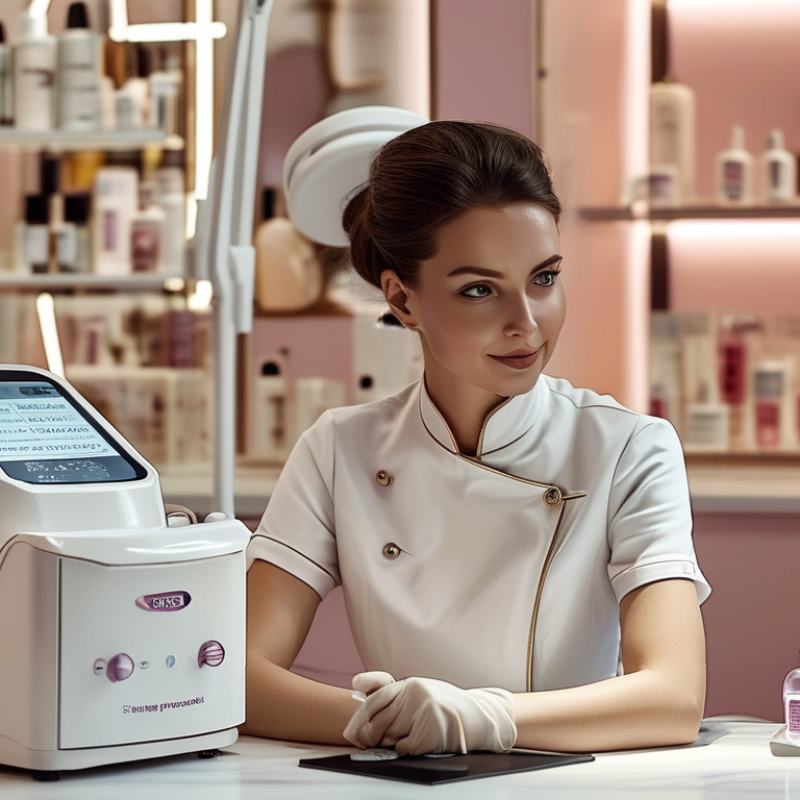
How Much Does Professional Beauty Equipment Cost in 2026?

Factors Influencing the Cost of Professional Beauty Equipment in 2026

The cost of professional beauty equipment in 2026 will vary significantly. Several factors will influence these prices. Both technology advancements and quality standards play a crucial role. Equipment that integrates the latest technology tends to cost more. For instance, tools using artificial intelligence or advanced skin analysis systems are expected to rise in price due to their complexity.

Another major factor is market demand. As beauty services grow, the need for high-quality equipment increases. Salons and spas will prioritize investing in tools that enhance client experiences. However, with increased demand, there may also be supply chain issues, impacting pricing.

Lastly, maintenance and training costs should be considered. Equipment that requires specialized training may deter some professionals due to the added investment. Beauty professionals need to evaluate if the return on investment justifies the costs. The balance between price, quality, and training will be essential for decision-making.

Average Price Ranges for Different Categories of Beauty Equipment

In 2026, the professional beauty equipment market shows notable price ranges across various categories. According to industry reports, skincare equipment averages between $500 to $3,000. The cost often reflects the technology and features available. Basic tools may be more affordable, while high-end devices offer advanced functions.

Makeup equipment varies significantly. Professional makeup kits can range from $100 to $2,500. The choice of tools and brands influences pricing substantially. Entry-level kits appeal to emerging artists, while seasoned professionals often invest in premium sets for quality and durability.

Haircare tools also exhibit diverse price points. Hair straighteners and dryers typically start at around $50, with high-end models reaching $600 or more. Challenges exist in selecting the right device for specific hair types. Professionals should consider features, but the pricey options often provide unmatched efficiency in performance. Understanding these price dynamics can help navigate the market effectively.

Comparative Analysis of Equipment Costs: 2026 vs. Previous Years

The cost of professional beauty equipment in 2026 has seen notable shifts compared to previous years. A recent report from the International Beauty Equipment Association reveals that equipment prices are expected to rise by 15-20% due to inflation and supply chain challenges. This increase is primarily driven by the demand for advanced technology and sustainable materials, which are now becoming standard in the industry.

When looking back at 2020, the average cost of high-end beauty equipment hovered around $1,500. By 2026, that figure could reach $1,800 to $2,000. Furthermore, emerging trends indicate that businesses are investing more in multifunctional devices. These devices, while more expensive upfront, can significantly reduce costs over time by increasing service offerings. However, not every beauty professional can afford these higher prices, which poses a concern for smaller salons.

The disparity in equipment quality and costs also raises questions. Some equipment may not deliver on promised results or durability. This inconsistency highlights the importance of thorough research and investment strategies. Beauty professionals must weigh the benefits of high-end equipment against their budget constraints. Making informed choices is essential to sustaining a successful business in this evolving market.

Emerging Trends Impacting Pricing in the Professional Beauty Industry

The professional beauty industry is rapidly evolving, and pricing reflects this transformation. By 2026, we can expect several emerging trends to drive the costs of beauty equipment. Technological advancements are at the forefront. Smart devices and AI-driven tools are becoming standard in salons and spas. Such innovations often come with a higher price tag but promise enhanced efficiency and better results.

Sustainability is another crucial factor. Eco-friendly materials and energy-efficient machines are gaining traction. While these options can be more expensive upfront, they appeal to a growing consumer base focused on sustainability. Professionals looking to invest in their businesses will need to weigh these long-term benefits against initial costs.

Market dynamics also play a role. Economic fluctuations affect material costs and availability. Inflation can lead to unpredictability in pricing for beauty equipment. As companies strive for profitability, prices may fluctuate unpredictably. This reality calls for careful consideration and strategic planning for beauty professionals. Investing wisely requires an understanding of these trends and their impacts on the future landscape of the beauty industry.

Professional Beauty Equipment Pricing Trends in 2026

Budgeting for Professional Beauty Equipment: Tips for Industry Professionals

Investing in professional beauty equipment is a significant financial commitment. Proper budgeting is critical. Understanding your needs is the first step. What services do you provide? Are there specific tools that enhance your clients' experience? Make a list of essential equipment based on your specialties.

Consider the total cost of ownership. This includes not just the purchase price but maintenance, training, and potential upgrades. Setting aside a monthly budget can help spread out costs. You may find a good deal, but if it doesn’t fit your business model, it’s not worth it. Calculate potential returns on your investment. Will these tools attract more clients?

Don't overlook the importance of research. Seek advice from peers in the industry. Their experiences can be invaluable. While online forums can provide insight, ensure the information is credible. Reflect on your past purchases. Did they meet expectations? Learning from your experiences can refine your choices. Investing wisely will drive your business forward and ensure sustainable growth in 2026 and beyond.

How Much Does Professional Beauty Equipment Cost in 2026?

Equipment Type Average Cost ($) Maintenance Cost ($/year) Expected Lifespan (Years)
Facial Steamer $180 $20 5
Laser Hair Removal Machine $15,000 $1,000 10
Microdermabrasion Machine $3,500 $300 7
High-Frequency Machine $150 $15 5
LED Therapy Device $2,200 $200 8

FAQS

: What is the expected price increase for beauty equipment by 2026?

: Prices are expected to rise by 15-20% due to inflation and supply chain issues.

How much did high-end beauty equipment cost in 2020?

The average cost was around $1,500.

What could the high-end equipment cost reach by 2026?

The cost may rise to $1,800 to $2,000.

Why are multifunctional devices becoming popular?

They allow more services and can reduce future costs despite higher upfront prices.

What should beauty professionals consider when purchasing equipment?

They must weigh quality, cost, and budget constraints before making a purchase.

How can business owners budget for new equipment?

Set aside a monthly budget and consider total ownership costs, including maintenance.

Is it important to research before buying equipment?

Yes, seeking advice from peers and credible sources is vital for informed decisions.

What can professionals learn from past equipment purchases?

Reflecting on past choices helps refine future investments and business strategies.

Are there risks with high-end beauty equipment?

Some equipment may not meet expectations or deliver promised results, which raises concerns.

What role does client attraction play in equipment investment?

Professionals should calculate potential returns. Will new tools attract more clients to the business?

Conclusion

In 2026, understanding how much does professional beauty equipment cost involves analyzing various key factors that influence pricing. Elements such as technological advancements, material quality, and market demand play significant roles in determining the costs. The average price ranges for different categories of beauty equipment suggest an increase compared to previous years, highlighting a comparative analysis where the cost escalation can be seen across the board.

Furthermore, emerging trends in the beauty industry, such as a shift towards sustainability and multifunctional devices, are impacting pricing strategies. For professionals in the industry, budgeting for these expenses requires careful consideration and strategic planning to ensure access to high-quality equipment while managing costs effectively.

Oliver

Oliver

Oliver is a seasoned marketing professional with a wealth of expertise in driving brand awareness and engagement. With a deep understanding of our company's product offerings, he consistently delivers high-quality content that enriches our professional blog. His insights not only shed light on......