In recent years, the facial machine industry in China has experienced remarkable growth. As consumer interest in skincare technologies rises, questions about "how do facial machines work" become crucial. Various reports indicate that the market is projected to reach $4.5 billion by 2025, demonstrating a compound annual growth rate of over 15%. The effectiveness and efficiency of these machines vary, highlighting the importance of understanding their mechanisms.
Facial machines utilize advanced technologies such as ultrasound, microcurrents, and LED light therapy. These methods claim to enhance skin health. For example, ultrasound waves can penetrate deep layers of the skin, promoting collagen production. However, some experts suggest that results can vary based on skin types and treatment frequency. While many consumers report positive outcomes, skepticism persists regarding the longevity of these effects.
Top manufacturers in China are constantly innovating, yet not all machines deliver the promised results. A recent survey showed that nearly 30% of users felt disappointed after trying these devices. This scenario raises questions about marketing claims versus actual performance. As the industry evolves, understanding "how do facial machines work" becomes vital for consumers to make informed decisions in pursuit of skincare solutions.
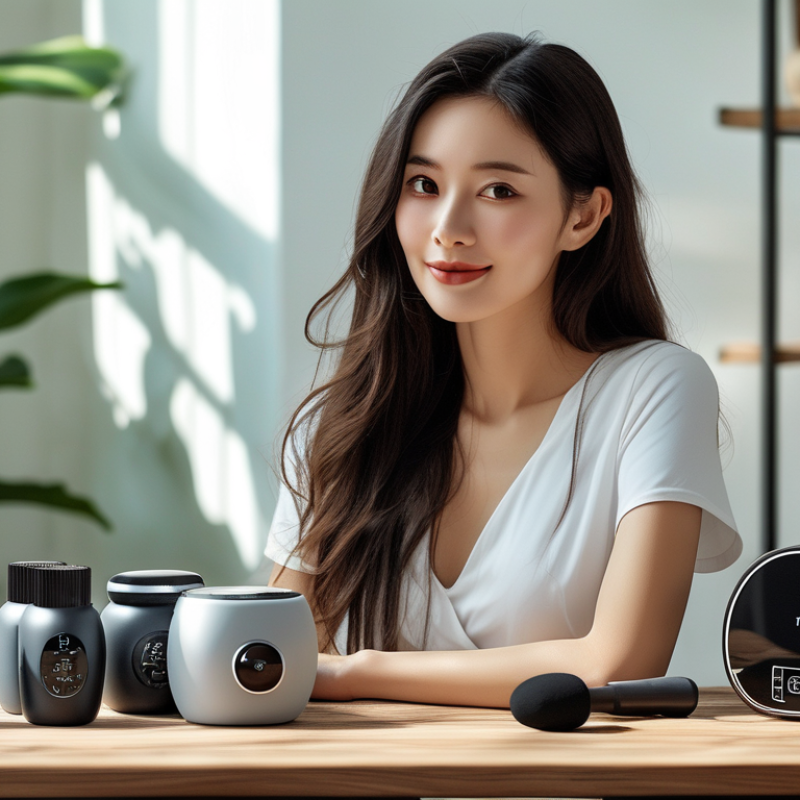
The Chinese beauty industry has rapidly evolved with advanced facial machines becoming essential tools. These devices offer various treatments, including cleansing, exfoliating, and rejuvenating skin. They help enhance beauty and overall skin health, appealing to a wide range of consumers.
When considering facial machines, it's important to research the different types available. Some focus on hydration while others target anti-aging. Each machine has unique features that cater to specific skin types. Users should be aware that not all machines yield the same results. Individual skin responses can vary significantly.
Tips: Always consult a skincare professional before starting new treatments. It's wise to patch-test any machine or product. Maintaining a consistent skincare routine alongside machine use often brings the best results. Keep your expectations realistic; improvements take time and may require patience. The journey to radiant skin is a personal one, filled with learning and reflections.
Facial machines have gained traction in the beauty and skincare industry, particularly in China, which holds a significant market share. These devices typically incorporate a range of technologies, such as microcurrent therapy, ultrasonic waves, and LED light therapy. Microcurrent therapy uses low-level electrical currents to stimulate facial muscles, promoting a lifted appearance. Reports indicate this technique can increase collagen production, leading to smoother skin.
Ultrasonic technology operates by emitting sound waves that penetrate the skin layers. This stimulates cellular activity and improves blood circulation. A well-cited study in the Journal of Cosmetic Dermatology suggests that patients have noted a 32% increase in skin elasticity after consistent ultrasonic treatments over six weeks. LED light therapy offers another dimension, where different wavelengths target various skin concerns. Research from the American Academy of Dermatology supports its effectiveness in reducing acne and hyperpigmentation.
Despite the promising technologies, challenges remain. Not all users experience the same level of effectiveness. Various skin types respond differently to treatments, leading to inconsistent results. Some users may also find the machines complicated or intimidating to operate. As these devices continue to evolve, understanding their mechanisms will become increasingly crucial for achieving desired outcomes in skincare.
When exploring the landscape of facial machine manufacturers in China, several key players emerge. The industry has been experiencing robust growth, driven by rising consumer demand for skincare. According to recent market research, the global beauty device market is projected to reach over $70 billion by 2026. China's contribution is significant, fueling innovation and competition.
Leading manufacturers in this sector offer a range of technologies. These include microcurrent, LED light therapy, and ultrasonic devices. Despite advancements, quality control remains an ongoing challenge. Some companies struggle to maintain high standards across varied product lines. Compliance with international regulations is essential but can be complex due to varying industry standards.
Many manufacturers are focusing on research and development. This investment is vital for staying competitive in the industry. However, distribution logistics can hinder market penetration. Accessibility of these machines in smaller markets can be inconsistent. As the demand for facial machines grows, only those who adapt will thrive. The sector requires a balance between innovation, reliability, and consumer trust, highlighting the need for continuous improvement.
The rise of facial machines in China is reshaping beauty and wellness practices. Consumers are increasingly attracted to advanced technologies that promise skin improvement. A recent market report indicates that the demand for facial machines has surged by 30% over the past year alone. Many consumers seek effective solutions to common skin issues like aging and acne. However, there is a lack of understanding about how to select the right machine.
User preferences suggest that features such as ease of use and visible results are top priorities. Many buyers now favor machines that incorporate multiple functions like cleansing, toning, and anti-aging. Data from industry surveys reveals that 65% of users prefer machines with customizable settings. This reflects a growing desire for personalized skincare regimens. Despite this trend, consumers often struggle to navigate the vast array of options available. The confusion sometimes leads to poor purchases or unmet expectations.
Moreover, while the technology is promising, not every machine delivers on its claims. Users should research and read reviews to ensure they choose quality products. Many machines can become ineffective if not used correctly. This highlights the need for better consumer education in the beauty tech space. The industry must prioritize providing clear, transparent information to help customers make informed decisions.
Facial machines have evolved significantly in recent years. Innovations are driving the industry forward in China. These devices now combine advanced technology with user-friendly designs. Automated features enhance efficiency, making treatments quicker and more effective. Some devices use AI to analyze skin conditions, offering personalized recommendations.
In the realm of future developments, the focus is shifting towards integrating smart features. Wearable technology may provide real-time feedback on skin health. This could enhance user experience and foster greater engagement. However, the challenge lies in data privacy and user trust. Manufacturers must address these concerns to gain consumer confidence.
Additionally, sustainability has become a critical topic. Eco-friendly materials are being considered in device manufacturing. Consumers want products that are not only effective but also responsible. The balancing act between innovation, consumer needs, and ethical considerations is delicate. It’s clear that as technology progresses, the industry must reflect on its impact on health and the environment.
| Manufacturer | Technology Type | Key Features | Market Focus | Future Innovations |
|---|---|---|---|---|
| Manufacturer 1 | LED Therapy | Skin rejuvenation, acne treatment | Beauticians and clinics | Integration with AI diagnostics |
| Manufacturer 2 | Microcurrent Technology | Facial toning, lifting | Personal use | Portable devices with app support |
| Manufacturer 3 | Ultrasound Technology | Deep tissue penetration, hydration | Dermatology clinics | Automatic skin analysis |
| Manufacturer 4 | Radiofrequency | Tightening skin, reducing wrinkles | Medical spas | Combination with LED lights |
| Manufacturer 5 | Hydra Facial Technology | Exfoliation, hydration, infusion | High-end salons | Home use kits |
| Manufacturer 6 | Oxygen Therapy | Skin breathing, revitalization | Beauty clinics | Eco-friendly systems |
| Manufacturer 7 | Peeling Technology | Natural exfoliation, glowing skin | Aesthetic centers | Customized peels |
| Manufacturer 8 | Laser Therapy | Acne scars, pigmentation issues | Medical facilities | Enhanced precision lasers |
| Manufacturer 9 | Cryotherapy | Reduces puffiness, tightens skin | Luxury beauty brands | At-home cryo tools |
| Manufacturer 10 | Nutrient Infusion | Boosts skin health, reduces lines | Skincare retailers | Smart infusion devices |
: Rising consumer demand for skincare is driving the growth. The beauty device market is projected to reach over $70 billion by 2026.
Common technologies include microcurrent, LED light therapy, and ultrasonic devices. There are various functions combined for user convenience.
Quality control remains a challenge. Some manufacturers struggle to uphold high standards across different product lines.
Consumers prefer machines that are easy to use and deliver visible results. Customizable settings are also highly favored.
Many consumers lack understanding of how to choose the right machine. This leads to confusion and sometimes poor purchase decisions.
R&D is vital for competitiveness in the market. However, logistics can hinder their ability to reach smaller markets effectively.
Future innovations may include smart features and wearable technology. These advancements aim to enhance user experience with real-time feedback.
Consumers are increasingly demanding eco-friendly products. Manufacturers face the challenge of balancing innovation with responsible practices.
Consumers should research and read reviews before buying. Proper usage is crucial; ineffective use can lead to unmet expectations.
User trust is essential, especially with smart technology. Manufacturers must prioritize data privacy to maintain consumer confidence.
Facial machines have gained significant traction in the Chinese beauty industry, offering advanced skincare solutions. These devices utilize key technologies such as microcurrent, ultrasonic waves, and LED therapy to enhance skin health and appearance. Understanding how do facial machines work involves exploring these technologies that aim to stimulate collagen production, improve blood circulation, and promote overall skin rejuvenation.
The market for facial machines is characterized by a growing demand for innovative solutions, driven by consumer preferences for effective and convenient skincare tools. As the industry evolves, manufacturers are continuously innovating, pushing the boundaries of facial machine technology. Future developments may focus on personalized treatments and smart technology integration, further enriching the user experience in the realm of beauty and wellness.

Nova Beauty