Beauty equipment is a serious business investment, not merely a polished device beside a treatment bed. In 2026, clinics and salons must protect lasers, LED systems, radiofrequency machines, and facial platforms from avoidable damage. This guide explains how to extend the lifespan of beauty equipment through disciplined care, practical inspections, and informed staff training.
Dr. Michael H. Gold, a board-certified dermatologist and aesthetic medicine expert, emphasizes, “The best results come from combining advanced technology with proper maintenance and trained hands.” His point is simple. Technology needs human responsibility.
A clean handpiece should never touch a dusty counter. Wipe approved surfaces after every treatment, and inspect cables for bends, cracks, or heat marks. Replace filters according to the manufacturer’s schedule, even when the machine still appears functional. Small delays can become expensive failures.
Keep devices away from direct sunlight, water splashes, unstable power, and crowded storage areas. Record treatment hours, error messages, cleaning dates, and service visits in one maintenance log. That record supports reliable decisions and helps technicians identify repeated faults.
Staff should receive practical training before operating unfamiliar equipment. They need to understand cooling systems, treatment limits, emergency shutdowns, and approved accessories. Improvised repairs may save time briefly, but they can damage internal components and create safety risks.
Maintenance is not always perfect. A busy clinic may miss one inspection. That mistake deserves review, not denial. A monthly audit can reveal weak habits before they become costly problems. Always follow the manufacturer’s instructions and use qualified service professionals for calibration or internal repairs.
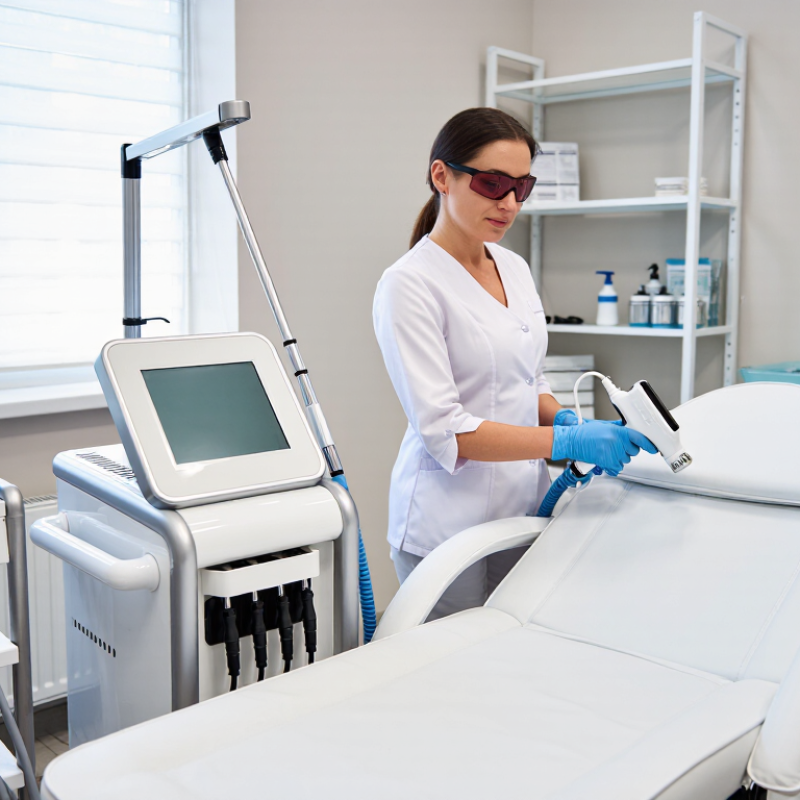
Beauty equipment rarely fails without warning. Heat, moisture, residue, vibration, and unstable electricity usually create the damage first. A laser handpiece may look clean while gel blocks its vents. A facial steamer may work normally while mineral deposits restrict water flow.
The World Health Organization’s Medical Device Technical Series (2011) reports that up to 70% of medical equipment can be non-functional in some low-resource settings, often because maintenance systems are weak. Beauty clinics face similar risks. Preventive care matters more than emergency repair. Operators should wipe conductive surfaces after every treatment, empty water tanks daily, and keep ventilation openings clear. Small residues become hard layers.
Electrical stress is another quiet problem. Voltage fluctuations can damage power supplies, cooling fans, and control boards. Use approved surge protection and record unusual sounds, heat, or error codes. Do not ignore them. I once treated a noisy cooling fan as harmless; the later repair cost far exceeded a routine inspection.
The U.S. FDA’s 2023 Medical Device Reporting data also shows why malfunction records matter. Repeated faults can reveal unsafe use patterns, maintenance gaps, or component deterioration. Keep service logs with dates, operating hours, cleaning actions, and calibration results. Staff training should include contact pressure, exposure limits, water quality, and correct shutdown procedures. Manufacturer instructions still deserve careful review. Human memory is unreliable. Even experienced technicians miss details during busy periods.
A daily cleaning and disinfection routine protects beauty equipment from residue, corrosion, and premature failure. It also reduces avoidable contamination between clients. The World Health Organization reports that effective hand hygiene can prevent up to 50% of avoidable infections. Equipment deserves the same discipline.
Start by unplugging the device and removing detachable parts. Wipe away oils, gel, and skin debris with a soft, lint-free cloth. Never spray liquid directly into vents, ports, or control panels.
The CDC states that cleaning must occur before disinfection because organic matter can reduce disinfectant effectiveness. Use a compatible, legally registered disinfectant, and follow its full contact time. Wiping too soon is a common mistake.
Keep a simple log.
Record the date, operator, product, and contact time. Disinfect handles, probes, treatment beds, and reusable tools after every client. Pay attention to seams and textured surfaces; residue often hides there. ISO 17664-1:2021 emphasizes following validated processing instructions for reusable medical and aesthetic devices. In practice, manuals may feel overly cautious, but ignoring them can damage seals and sensors. I once focused on visible cleanliness and missed a damp connector. That small oversight caused inconsistent performance. Daily routines are not perfect, but they become reliable when staff check, record, and improve them.
Beauty equipment rarely fails without clues. A cooling fan becomes louder. A handpiece warms unevenly. A cable bends near its connector.
During every opening check, inspect the housing, treatment head, cable, vents, fluid lines, and emergency-stop control. Record unusual noise, temperature changes, error codes, and output readings before the first client. These notes create useful evidence. The U.S. Department of Energy’s Operations & Maintenance Best Practices Guide estimates that preventive maintenance can save 12–18% compared with reactive repairs. That figure supports a simple habit: fix small irregularities before they become expensive failures.
Create a monthly inspection sheet for IPL, RF, ultrasound, and cooling systems. Check filters, connectors, water levels, grounding, and visible damage. Clean contact surfaces using approved procedures, not improvised chemicals. Use calibrated tools when checking temperature or energy output. Only qualified technicians should open electrical housings or adjust internal settings. Maintenance records should include the date, equipment hours, findings, action taken, and technician’s name. ISO 13485 quality-system principles also support controlled records and traceable servicing.
A checklist is not magic. Staff may rush it during busy evenings. That weakness needs attention. Assign one trained person to review incomplete entries weekly. Replace worn cables early, even when the device still works. A quiet machine is not always a healthy machine. Calibration intervals should follow the equipment’s technical documentation, local safety rules, and actual workload.
Perform Regular Inspections and Preventive Maintenance
A practical preventive-maintenance baseline is to perform visual checks daily, safety inspections monthly, functional inspections quarterly, and professional servicing annually. Always adjust the schedule according to the equipment type, usage intensity, operating environment, and manufacturer instructions.
Beauty equipment lasts longer when daily handling follows a clear routine. Before each treatment, inspect cords, handpieces, connectors, and cooling vents. Remove dust with a soft, dry cloth. Use only cleaning agents approved for the equipment’s materials. Excess liquid can enter openings and damage internal components. Always switch off and unplug the unit before cleaning or adjusting it.
Let heated, light-based, or motorized equipment cool completely before storage. Keep devices in a dry, clean room away from direct sunlight, steam, chemicals, and unstable temperatures. Do not place heavy items on cables or handpieces. Coil cables loosely, not tightly.
Small habits matter. I have seen rushed storage create avoidable cracks and loose connections. A written inspection log can reveal repeated problems before they become expensive repairs.
Transport requires equal care. Use a fitted, padded case whenever possible, and secure removable parts separately. Keep the equipment upright if its manual requires it. Avoid leaving it in a hot vehicle or exposing it to rain. After arrival, allow temperature-sensitive equipment to reach room temperature before powering it on. Check for movement, dents, unusual sounds, or damaged seals. Do not test a questionable unit on a client. Contact a qualified service professional and follow the manufacturer’s maintenance schedule and local safety requirements. Mistakes happen, so review the routine regularly.
2026 Top Guide: How to Extend Beauty Equipment Lifespan?
Beauty equipment rarely fails without warning. In daily salon work, small changes often appear first. A handpiece may vibrate, a cooling fan may sound rough, or a cable may feel warmer than usual. Replace worn parts before these signs become expensive damage. Seals, filters, lamps, connectors, and cooling components need regular inspection. Use parts that match the equipment specifications. Improvised repairs can create uneven performance or safety risks.
A clear care log makes long-term maintenance easier. Record the equipment date, operating hours, cleaning work, unusual sounds, replaced parts, and technician findings. Keep service records near the device, not in a forgotten drawer. Review the log every month. A qualified technician should check electrical connections, temperature control, moving parts, and calibration when required. Follow the original care instructions and local safety requirements. Do not rely only on appearance.
The record will not be perfect. That is normal. Missing one entry can still hide a useful pattern. For example, repeated overheating after long sessions may point to a blocked filter or weak fan. Note room temperature and workload when problems occur. These details help technicians diagnose the real cause. Staff should also report small changes immediately, even when the equipment still works. Waiting for complete failure usually costs more. Clean contact surfaces gently, keep vents clear, and store removable parts dry. Each replacement and inspection adds evidence to the equipment’s maintenance history.
| Equipment Area | Part or Care Item | Recommended Inspection | Typical Replacement or Service Interval | Wear Indicators | Preventive Care Action | Tracking Metric |
|---|---|---|---|---|---|---|
| RF, IPL and Laser Systems | Cooling fan and air filter | Every 1–3 months, depending on room dust and operating hours | Clean every 1–3 months; replace when airflow remains restricted | Higher operating temperature, reduced airflow, unusual fan noise, or thermal shutdowns | Power off before cleaning; keep ventilation openings clear; use the filter type specified in the service manual | Airflow condition and thermal warning count |
| IPL and Laser Systems | Light guide, handpiece window or protective lens | Before every treatment session | Replace when scratched, cracked, discolored, or no longer seals correctly | Uneven treatment output, visible residue, surface damage, or inconsistent skin contact | Clean with the approved non-abrasive method; never operate with a damaged optical surface | Visual inspection status and treatment fault log |
| Hydrodermabrasion Systems | Disposable tips, tubing and treatment filters | Before each client and after each operating day | Replace disposable parts after use; replace tubing when hardened, cloudy, or leaking | Reduced suction, fluid leakage, blocked flow, or visible discoloration | Use fresh single-use tips where required; flush reusable pathways according to the equipment instructions | Consumable usage and suction performance |
| Vacuum and Suction Devices | Vacuum hose, seals and O-rings | Weekly and whenever suction changes | Replace at the first sign of cracks, flattening, brittleness, or persistent air leakage | Weak suction, fluctuating pressure, hissing sounds, or slow recovery of vacuum pressure | Keep connectors clean and dry; avoid sharp bends; lubricate seals only if approved by the manufacturer | Vacuum level, recovery time and leak incidents |
| Microdermabrasion Units | Abrasive tips and particulate collection filter | Inspect before every session; check the filter daily | Replace tips when worn smooth; replace filters when blocked or at the stated service limit | Uneven exfoliation, reduced suction, excessive dust, or visible tip wear | Disinfect reusable tips using approved procedures; empty collection chambers before they become overfilled | Tip condition, suction level and filter replacement date |
| Steamers and Facial Vaporizers | Water tank, nozzle and mineral-control components | Daily visual check; inspect for scale monthly | Descale according to water hardness and service instructions; replace damaged tanks or seals promptly | Reduced steam output, sputtering, blocked nozzle, leaks, or mineral deposits | Use water recommended for the unit; empty the tank after use; never use unapproved descaling chemicals | Descaling date, steam-up time and leak record |
| High-Frequency and Electrical Handpieces | Glass electrodes, cables and connectors | Before every use | Replace electrodes or cables immediately after cracks, exposed wires, or unstable output appear | Flickering output, intermittent operation, arcing, cracked glass, or damaged insulation | Inspect while disconnected from power; clean and store electrodes in protective holders; do not use damaged cables | Electrical safety inspection and fault frequency |
| LED Phototherapy Panels | LED panel, cooling system and power cable | Monthly; check cables before every session | Service when output becomes uneven or cooling performance declines | Dark LED sections, flickering, excessive heat, fan noise, or damaged cable insulation | Keep vents unobstructed; clean surfaces with a soft approved cloth; avoid liquid entering the housing | Output uniformity, operating temperature and service date |
| Treatment Beds and Electric Chairs | Actuators, hinges, upholstery and load-bearing fasteners | Weekly functional check; inspect fasteners monthly | Tighten or service at the first sign of movement, noise, instability, or oil leakage | Jerky movement, unusual noise, uneven height adjustment, torn upholstery, or loose hardware | Keep moving joints clean; do not exceed the rated load; use compatible upholstery cleaners and disinfectants | Movement test result, repair tickets and upholstery condition |
| All Powered Beauty Equipment | Power cord, plug, fuse and grounding connection | Before every operating day | Replace immediately if damaged; conduct electrical safety testing at least annually or as required locally | Fraying, scorch marks, loose plugs, repeated fuse trips, shocks, or intermittent power | Disconnect by the plug rather than pulling the cable; keep cords away from heat and moisture; use qualified service personnel | Electrical test date, fault count and cord condition |
| All Equipment | Cleaning, disinfection and service records | Update after every cleaning, part replacement or repair | Review monthly; complete preventive maintenance at the interval stated in the service manual | Missing records, repeated failures, overdue maintenance, or unexplained performance changes | Record asset ID, operating hours, part number, service date, technician and next due date | Maintenance compliance rate and mean time between failures |
Important: Intervals are practical planning ranges. Always prioritize the equipment manufacturer’s service manual, local electrical regulations, infection-control requirements, and qualified technician recommendations.
Check the housing, handpiece, cable, vents, fluid lines, and emergency-stop control.
Perform a brief check before each treatment.
Switch off and unplug the unit before cleaning.
Store equipment in a dry, clean room away from sunlight, steam, chemicals, and unstable temperatures.
Use a fitted, padded case when possible.
Check for dents, movement, damaged seals, unusual sounds, and loose parts.
Inspect seals, filters, lamps, connectors, cables, and cooling components regularly.
Record the date, operating hours, cleaning work, findings, replaced parts, and technician details.
Only qualified technicians should open electrical housings or change internal settings.
Extending the service life of beauty equipment requires consistent care, careful operation, and timely maintenance. This guide explains how to extend the lifespan of beauty equipment by identifying common causes of wear, including improper cleaning, excessive use, poor storage, unstable power, and insufficient maintenance. A daily cleaning and disinfection routine helps remove residue, reduce contamination risks, and keep surfaces and accessories in good condition. Operators should also follow appropriate cleaning methods for each equipment type and avoid using unsuitable chemicals or excessive moisture.
Regular inspections and preventive maintenance can detect loose connections, unusual sounds, damaged cables, overheating, or declining performance before these issues become serious. Correct use, storage, and transportation help protect equipment from impact, dust, humidity, and extreme temperatures. Worn parts should be replaced promptly with compatible components, while maintenance records should track cleaning, inspections, repairs, and replacement dates. With these practical habits, beauty equipment can remain safer, more reliable, and effective for a longer period while reducing unexpected repair costs and operational interruptions.

Nova Beauty