As the aesthetics industry evolves, practitioners and clients alike wonder: what are the latest trends in aesthetic equipment? Recent reports suggest a growing market, projected to reach over $15 billion by 2026. This growth reflects advancements in technology and consumer demand for non-invasive procedures. Healthcare professionals are increasingly adopting innovative tools that enhance treatment efficacy and patient experience.
Aesthetic equipment trends highlight the shift towards multifunctional devices. Multi-use technologies enable clinics to offer various treatments, reducing costs and maximizing space. Moreover, personalized treatments are on the rise. With a move toward individualized care, practitioners seek equipment that adapts to unique patient needs.
Despite the surge in popularity, challenges persist. Training and maintaining equipment are critical for safety and effectiveness. Additionally, keeping up with regulatory compliance can be burdensome. As the landscape changes, professionals must evaluate these trends thoroughly to ensure high standards of care.
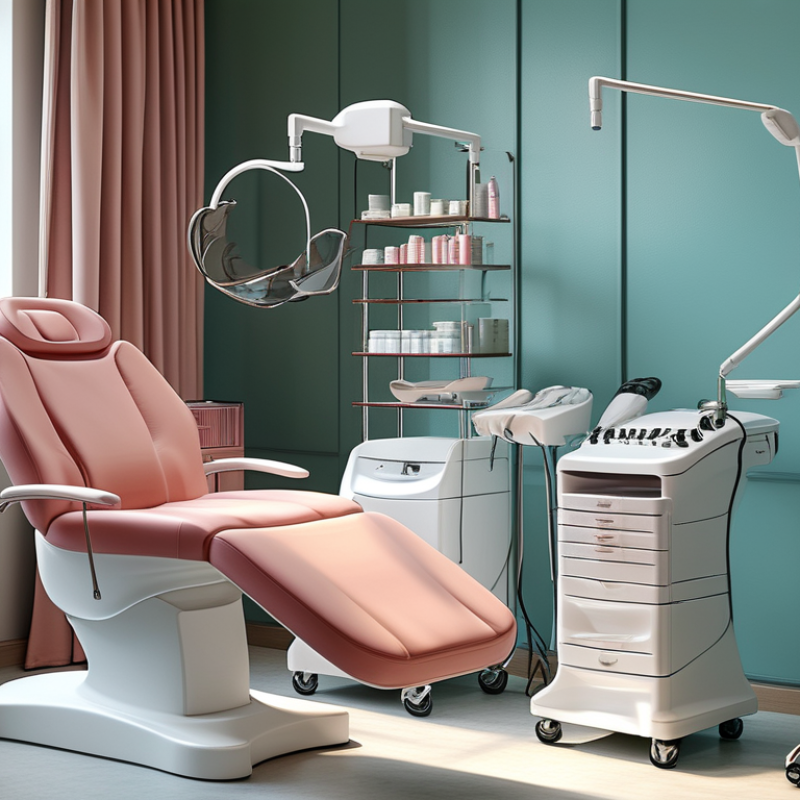
The aesthetic equipment market is experiencing a significant transformation as we approach 2026. Emerging technologies are playing a central role in this shift. According to a recent report from the Aesthetic Industry Association, the use of AI and machine learning is expected to grow by 30% within the next three years. These technologies enable practitioners to provide personalized treatments, enhancing client satisfaction and improving outcomes.
Moreover, non-invasive procedures are becoming increasingly sophisticated. Techniques such as ultrasonic and radiofrequency technologies are gaining traction. A study published in the Journal of Aesthetic Science shows that 75% of patients prefer these minimally invasive options for skin rejuvenation. The demand for real-time monitoring and instant feedback during treatments is also rising, making it essential for new equipment to integrate smart technology.
While these advancements offer promising benefits, the field is not without challenges. The rapid pace of innovation may lead to a skills gap among practitioners. Many may struggle to keep up with the latest techniques and technologies. Continuous training and education will be vital for ensuring safety and efficacy in treatments. Balancing innovation with quality care remains a key focus for professionals in the aesthetic sector.
Advancements in aesthetic equipment are transforming how patients experience treatments. Enhanced technologies ensure greater comfort and improved outcomes. Tools like non-invasive skin rejuvenation devices are now widely appreciated for their gentle touch and effectiveness. Patients benefit from shorter recovery times and visible results, creating a more satisfying overall experience.
Incorporating patient feedback into equipment choices can lead to better satisfaction. Many clinics are now consulting with their clients on preferred services. A personal touch in these conversations helps build trust. Some clinics even offer trial sessions for new devices, allowing patients to test before committing. This openness fosters a positive atmosphere and enhances loyalty.
Adjustments to room setups also play an essential role. The right lighting and soothing colors can help people feel at ease. Consideration of ambiance adds to the appeal of aesthetics treatments. Facilities providing a calming environment tend to attract more clients. Fostering a sense of security and comfort cannot be overlooked in this competitive industry.
Sustainable practices are reshaping the aesthetic equipment manufacturing landscape. A key trend involves using eco-friendly materials. Manufacturers are increasingly opting for biodegradable plastics and durable metals. These materials not only reduce environmental impact but also enhance product longevity. As a result, devices may last longer, reducing waste in the long run.
Energy efficiency is another crucial aspect of sustainable production. Many companies are investing in renewable energy sources to power their operations. Innovations in energy-saving technology are being embraced. These technologies help lower carbon footprints and operational costs. However, the transition can be challenging. It requires upfront investment and a commitment to change.
Sustainable practices are fostering a new industry standard. Transparency in sourcing materials is now a demand from conscious consumers. There is pressure on manufacturers to disclose their supply chain practices. This shift can prompt questions about the industry’s past. Companies must reflect on their previous methods and adapt to remain relevant. Acknowledging past mistakes may lead to improved practices and innovation.
| Trend | Description | Sustainable Practices | Expected Impact |
|---|---|---|---|
| Eco-friendly Materials | Increase in the use of biodegradable and recyclable materials in equipment design. | Use of sustainable sourcing and production methods to reduce carbon footprint. | Promote a greener image and attract eco-conscious consumers. |
| Energy-efficient Devices | Development of equipment that minimizes energy consumption during operation. | Implementation of renewable energy sources in manufacturing facilities. | Lower operational costs and positive environmental impact. |
| Digital and Smart Technologies | Integration of AI and IoT for personalized patient experiences. | Reduction of waste through optimized manufacturing processes. | Enhanced efficiency and improved customer satisfaction. |
| Reusable Instruments | Focus on instruments that can be sterilized and reused instead of disposable items. | Longer lifespan of products reducing waste and manufacturing needs. | Cost savings and reduced environmental impact. |
| Sustainable Packaging | Adoption of environmentally friendly packaging solutions. | Utilization of recycled materials for packaging products. | Improved brand image and compliance with regulations. |
In 2026, the aesthetic equipment landscape is embracing innovations that prioritize non-invasive treatments. These advancements combine technology with a growing understanding of skin health. Devices now focus on delivering effective results with minimal discomfort. Users can enjoy benefits like improved skin texture and reduced signs of aging without surgery.
Exploring these innovations can lead to better choices for personal care routines. Non-invasive options like ultrasound therapy and radiofrequency treatments are gaining traction. These procedures stimulate collagen production naturally. The technology allows for faster recovery times and impressive results. Many clinics now invest in cutting-edge machinery, aiming to meet patient demands for safety and efficacy.
Adopting a thoughtful approach to these treatments is vital. Ensure that practitioners are qualified and experienced. Check their credentials before proceeding with any procedure. Understanding the technology used is equally important. Research the benefits and potential downsides. A balanced perspective can lead to more informed decisions about your aesthetic journey.
This chart illustrates the projected growth in various non-invasive aesthetic treatment technologies by 2026. The data reflects increasing interest and adoption rates in these innovative devices.
As we move towards 2026, aesthetic practices must adapt to new trends. Investing in cutting-edge tools not only enhances services but future-proofs your business. These tools improve patient experiences. Modern technology offers options like non-invasive treatments and advanced lasers. Practitioners should explore devices that minimize downtime and maximize results. Clients are drawn to efficiency, and these innovations meet that demand.
Staying updated with the latest developments is crucial. Attend seminars and workshops to gain insights into emerging technologies. Networking with industry experts will elevate your understanding and credibility. However, embracing change can be daunting. Some practitioners may hesitate to invest due to fear of the unknown. A balanced approach to adopting new tools is vital for sustainable growth.
Your practice needs to evolve continually. Aesthetic trends often shift, influenced by client desires and technological advancements. Reflecting on past choices can guide future investments. Consider the feedback from your patients. Their experiences can reveal areas needing improvement. Strive for excellence by integrating innovative solutions that resonate with your clientele.
: Non-invasive treatments improve skin texture and reduce aging signs without surgery. They offer effective results with minimal discomfort.
Options like ultrasound therapy stimulate collagen production naturally. They allow for faster recovery times and impressive results.
Check if practitioners are qualified and experienced. Research their credentials before proceeding with any treatment.
Understanding the technology is crucial. Research benefits and potential downsides for informed decisions about your treatment.
Attend seminars and workshops to learn about emerging technologies. Networking will enhance understanding and credibility.
Some may hesitate due to fear of the unknown. A balanced approach is essential for sustainable growth.
Feedback from patients reveals areas for improvement. Their experiences can guide future investments in treatments.
Reflecting on past choices helps guide future investments. Continuous evolution is necessary to meet client desires.
In 2026, what are the latest trends in aesthetic equipment? The industry is set to experience a significant transformation driven by emerging technologies that enhance both efficacy and patient experience. Key trends include the rise of non-invasive treatment innovations, which are rapidly gaining popularity for their effectiveness with minimal downtime. Additionally, sustainable practices in manufacturing are becoming increasingly crucial, as the industry seeks to reduce its environmental footprint.
To future-proof aesthetic practices, professionals are encouraged to adopt cutting-edge tools that leverage the latest advancements in technology. These developments not only improve treatment outcomes but also enhance the overall patient experience, making the aesthetic journey more comfortable and satisfying. As practitioners stay informed about these trends, they can better serve their clients and maintain a competitive edge in the evolving landscape of aesthetic medicine.

Nova Beauty