2026 Best Energy Based Facial Treatments How They Work?

Time:2026-09-20 Author:Ethan
0%

Choosing the 2026 best energy-based facial treatments requires more than following a glossy trend. The right option depends on skin type, treatment goals, medical history, and practitioner expertise. Radiofrequency, focused ultrasound, intense pulsed light, and laser systems use different forms of energy. Each targets specific tissue layers, pigments, vessels, or collagen structures. The phrase “best” is not universal. Results vary.

Understanding how energy-based facial treatments work can make consultations more practical and safer. Some devices gently heat deeper tissue, encouraging gradual collagen remodeling and firmer-looking skin. Others deliver controlled light to reduce the appearance of redness, sun spots, or uneven tone. Certain treatments create microscopic channels that support renewal. The visible response may appear slowly, often over several weeks. It may also require multiple sessions.

Professional assessment matters. A qualified medical provider should explain the device, evidence, expected discomfort, recovery, and possible side effects. Ask how the system suits your skin tone and whether recent medications affect treatment safety. Protective eyewear, calibrated settings, clean equipment, and documented aftercare are not minor details. They are essential.

Be realistic. “Non-invasive” does not mean risk-free. Temporary swelling, warmth, redness, sensitivity, or pigment changes can occur. Rare complications deserve honest discussion. Research is improving, but marketing often moves faster than clinical evidence. A careful decision considers both published data and real-world experience. This guide examines leading energy-based facial options for 2026, without treating every new device as a guaranteed breakthrough.
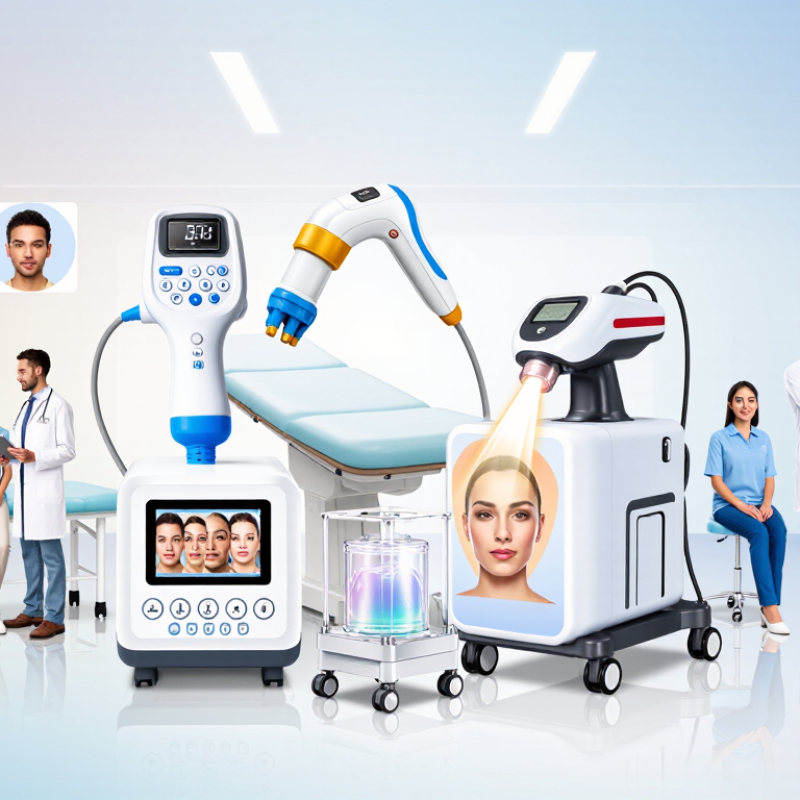
2026 Best Energy Based Facial Treatments How They Work?

What Are Energy-Based Facial Treatments?

What Are Energy-Based Facial Treatments?

Energy-based facial treatments use controlled light, heat, radiofrequency, ultrasound, or electrical current to influence the skin. Unlike a traditional facial, they work below the surface or stimulate targeted skin responses. Some treatments support collagen remodeling, while others may reduce visible redness, soften fine lines, or improve mild laxity. Results depend on the device, treatment settings, skin condition, and the practitioner’s training. They are not magic.

A qualified professional should assess your skin tone, medical history, medications, and treatment goals before recommending a procedure. Darker skin may need carefully adjusted settings because excessive heat can increase pigmentation risk. Eye protection is essential during light-based procedures. Temporary warmth, redness, swelling, or sensitivity can occur. Evidence also varies between technologies, and impressive photographs do not guarantee identical results. That part deserves more honesty.

Tips:

Ask what energy is used, how deeply it acts, and how many sessions are realistic. Request information about possible side effects and aftercare. Avoid treatments over irritated or infected skin. Use gentle cleanser, moisturizer, and broad-spectrum sunscreen afterward. If pain feels sharp rather than warm, tell the practitioner immediately. A cautious plan may feel slower, but it is usually easier to monitor.

How Different Energy Technologies Affect Facial Skin

Energy-based facial treatments do not all work the same way. Each delivers heat, light, sound, or controlled injury at different depths. Radiofrequency gently warms the dermis, where collagen fibers may contract and gradually remodel. Ultrasound focuses energy beneath the surface, creating tiny thermal zones without broadly heating the epidermis. Laser and intense pulsed light target water, pigment, or visible blood vessels, depending on wavelength and settings. The same glow can come from very different biological effects.

A qualified clinician should match the energy type, intensity, and pulse pattern to skin tone, sensitivity, texture, and treatment goals. Darker or recently tanned skin may need extra caution because excess heat can trigger unwanted pigmentation. Cooling, eye protection, patch testing, and careful aftercare are not optional details. They reduce risk, but cannot erase it. Results also vary. Fine lines may soften slowly, while redness or uneven pigment can respond differently. I find the most reliable approach is measured: review medical history, discuss realistic improvement, and photograph the skin under consistent lighting. Some treatments feel comfortable; others sting briefly. Comfort is not proof of effectiveness. More energy is not automatically better.

2026 Best Energy Based Facial Treatments: How They Work? — How Different Energy Technologies Affect Facial Skin

Technology Energy Delivered Primary Skin Target How It Affects Facial Skin Common Treatment Goals Typical Downtime Typical Course* Important Considerations
Intense Pulsed Light (IPL) Broad-spectrum visible light, usually filtered to selected wavelengths Melanin and hemoglobin in superficial pigmentation and visible vessels Light is absorbed by pigment or blood vessels and converted into heat, which can gradually reduce the appearance of sun spots, diffuse redness, and some superficial vessels. Sun-related discoloration, facial redness, uneven tone, and selected vascular lesions Usually minimal; temporary redness, warmth, swelling, or darkening of pigmented spots may occur Often 3–5 sessions spaced about 3–6 weeks apart, depending on the concern and skin response Requires careful wavelength and fluence selection. Higher risk of burns or post-inflammatory hyperpigmentation exists in darker or recently tanned skin.
Non-Ablative Fractional Laser Fractionated laser energy delivered below the skin surface Dermal water and collagen-supporting tissue Creates microscopic zones of controlled thermal injury while leaving surrounding skin intact. Healing stimulates remodeling of collagen and can improve texture over time. Fine lines, enlarged pores, mild acne scars, uneven texture, and selected pigmentation concerns Usually 1–4 days of redness, swelling, dryness, or mild peeling Commonly 2–4 sessions spaced approximately 4–8 weeks apart Results develop gradually. Sun protection is essential, and conservative settings may be preferred for individuals prone to pigment changes.
Ablative Fractional Laser Fractionated ablative laser energy that vaporizes microscopic columns of skin The epidermis and superficial to mid-dermis Removes tiny columns of damaged skin and heats adjacent dermal tissue, promoting resurfacing and stronger collagen remodeling. More pronounced wrinkles, acne scars, surgical scars, rough texture, and photodamage Usually about 5–10 days of visible healing, with redness that may persist longer Often 1–3 sessions, commonly separated by at least 6–12 weeks More effective for deeper textural problems but has greater risks, including infection, prolonged redness, scarring, and pigment alteration.
Radiofrequency (RF) Electrical radiofrequency current converted into controlled heat Dermal collagen and subcutaneous tissue, depending on the device and depth Selective heating may cause immediate collagen contraction and trigger longer-term collagen remodeling. It does not primarily target melanin. Mild skin laxity, fine lines, and overall firmness Typically none to 1 day of mild redness or swelling Often 3–6 treatments at intervals of 2–6 weeks; maintenance may be used Heating must be carefully controlled to avoid burns. Treatment depth and results vary considerably between systems.
RF Microneedling Insulated or non-insulated needles deliver RF heat at selected dermal depths Dermal collagen, scar tissue, and sometimes superficial subcutaneous tissue Microneedles create controlled mechanical injury while RF adds localized thermal stimulation, supporting collagen remodeling and texture improvement. Acne scars, enlarged pores, fine lines, uneven texture, and mild laxity Usually 1–3 days of redness, swelling, pinpoint bleeding, or temporary roughness Commonly 2–4 sessions spaced about 4–8 weeks apart Not suitable for every skin condition. Incorrect depth or excessive energy can cause burns, prolonged inflammation, or pigment changes.
Focused Ultrasound Focused acoustic ultrasound energy at selected tissue depths Deep dermal and superficial connective tissue layers Produces small zones of thermal coagulation that may stimulate collagen remodeling and gradual tissue tightening. Mild to moderate laxity of the brow, jawline, neck, or lower face Usually no visible downtime; temporary tenderness, swelling, tingling, or numbness can occur Often one treatment, with reassessment after approximately 3–6 months; repeat treatment varies Best for selected patients with realistic expectations. It is not a replacement for surgery in cases of substantial excess skin.
LED Photobiomodulation Low-intensity visible red, near-infrared, or blue light Cellular signaling pathways in superficial skin; blue light may affect acne-associated bacteria Low-level light may influence cellular energy production and inflammatory signaling without intentionally ablating or significantly heating the skin. Mild inflammatory acne, redness, recovery support, and subtle improvement in fine lines None in most cases Usually repeated 2–5 times weekly or according to the treatment protocol for several weeks Results are generally modest and depend on wavelength, dose, treatment consistency, and the condition being treated.
Long-Pulsed Vascular Laser Narrow-band laser light selectively absorbed by blood vessels Hemoglobin within superficial or deeper facial vessels Photothermal energy heats targeted vessels, which may coagulate or gradually become less visible while surrounding tissue is protected. Facial telangiectasia, persistent redness, and selected vascular lesions Several days of redness, swelling, or temporary bruising may occur depending on settings and vessel size Often 1–3 sessions separated by approximately 4–8 weeks The correct wavelength depends on vessel depth and size. Eye protection and professional diagnosis are essential.

*Treatment numbers, energy settings, intervals, downtime, and results vary according to the technology, treatment area, skin type, medical history, and practitioner technique. A qualified medical professional should determine suitability and settings.

The Step-by-Step Process of an Energy Facial Treatment

An energy facial treatment begins with a consultation, not a device.

A qualified practitioner reviews skin history, medications, sensitivity, and treatment goals. They also check for contraindications, such as active infections or implanted electronic devices. This step can feel slow. It matters.

The skin is cleansed, photographed, and assessed under clear lighting. Protective eyewear may be used, depending on the technology. The practitioner then applies conductive gel or another suitable medium.

Radiofrequency gently warms deeper tissue, while ultrasound delivers focused energy below the surface. LED treatments use controlled wavelengths without creating significant heat.

Energy levels should match skin type, sensitivity, and the intended result. The practitioner makes measured passes across the face, avoiding excessive heat near the eyes. Clients may feel warmth, tingling, or brief pulses. Pain is not a performance indicator.

The 2023 ISAPS International Survey recorded about 19.1 million nonsurgical procedures worldwide, showing strong demand for device-based care, but popularity does not replace clinical judgment.

After treatment, the provider checks redness, comfort, and skin response.

Cooling, moisturizer, and broad-spectrum sunscreen may follow. Some people notice temporary flushing. Others see little immediate change. That can be normal.

Results often develop gradually, especially when collagen remodeling is involved. A follow-up visit helps adjust timing and energy settings.

I would not treat every “glow” as proof of improvement; lighting and hydration can mislead. Published outcomes also vary by device, protocol, and patient selection, so realistic consent remains essential.

Which Skin Concerns Can Energy Treatments Address?

Energy-based facial treatments use controlled heat, light, or sound to change targeted skin structures. Lasers may reduce unwanted pigment, redness, and selected acne scars. Radiofrequency heats deeper tissue and can encourage collagen remodeling. Ultrasound reaches defined layers and may improve mild laxity.

The American Society for Dermatologic Surgery reported in its 2023 Consumer Survey that 70% of respondents were concerned about skin aging. That concern does not make every device suitable.

These treatments can address uneven tone, rough texture, fine lines, enlarged pores, and mild sagging. Some laser systems also target visible vessels or unwanted facial hair. A professional assessment matters because darker skin may have a higher risk of post-treatment pigmentation.

The U.S. Food and Drug Administration advises discussing risks, expected results, and operator qualifications before treatment. Small details matter. Skin history, medication use, recent sun exposure, and healing patterns can change the plan.

The International Society of Aesthetic Plastic Surgery recorded more than 19 million nonsurgical procedures globally in its 2023 survey. Popularity is not proof of equal effectiveness. Results are often gradual and uneven.

One session may improve texture, while laxity needs several treatments. I would question any promise of permanent lifting or flawless skin. A qualified medical provider should explain energy settings, recovery time, possible burns, pigment changes, and when results should be reviewed.

How to Choose a Safe and Effective Treatment in 2026

In 2026, energy-based facial treatments may use radiofrequency, ultrasound, LED, or controlled light. Each targets different concerns, such as mild laxity, uneven tone, or fine lines. The safest choice begins with a qualified medical consultation, not a dramatic advertisement. Ask who performs the procedure, which device category is used, and whether it is approved for its intended use in your region. A trustworthy professional should review medications, skin conditions, tanning history, and previous treatments.

Your skin should be examined under clear light. A patch test may be sensible, especially for darker or reactive skin. During treatment, expect warmth, tingling, or brief redness, but never tolerate sharp pain. Ask about cooling, eye protection, energy settings, recovery time, and possible pigment changes. Take dated photographs in the same room. They make progress easier to judge. Results vary, and one session rarely changes everything. Clinics sometimes promise too much; that should make you pause.

Tips: Choose evidence over urgency. Request realistic before-and-after images from similar skin types. Confirm the practitioner’s training and emergency plan. Avoid treatment after recent tanning unless your clinician agrees. Follow aftercare carefully, including sun protection and gentle cleansing. Small details matter. I would also ask what happens if the result is disappointing, because safety includes honest communication, not only smooth skin.

FAQS

What are energy-based facial treatments?

They use controlled light, heat, radiofrequency, ultrasound, or electrical current.

What skin concerns may these treatments address?

Some treatments may soften fine lines, reduce visible redness, or improve mild skin laxity.

What happens during a typical treatment?

The practitioner reviews your medical history, medications, sensitivity, and goals.

What sensations might I feel?

You may notice warmth, tingling, or brief pulses.

Are energy-based treatments suitable for darker skin?

They may be suitable, but settings require careful adjustment.

Who should delay or avoid treatment?

Treatment should not be performed over irritated or infected skin.

What aftercare is commonly recommended?

Use a gentle cleanser, moisturizer, and broad-spectrum sunscreen afterward.

When will I see results?

Some people notice temporary flushing, while others see little immediate change.

How many sessions might be needed?

The number depends on the technology, settings, skin condition, and treatment goal.

How can I judge whether a treatment is appropriate?

Ask what energy is used, how deeply it acts, and what side effects may occur.

Conclusion

Energy-based facial treatments use controlled forms of light, heat, radiofrequency, ultrasound, or gentle electrical energy to stimulate the skin’s natural renewal processes. Understanding how energy-based facial treatments work involves looking at how each technology interacts with different skin layers: some warm deeper tissue to encourage collagen production and firmness, while others target surface pigmentation, uneven texture, redness, or unwanted hair. The treatment usually begins with a consultation and skin assessment, followed by cleansing, preparation, energy application, and soothing aftercare.

These treatments may help address fine lines, mild sagging, acne-related marks, dullness, enlarged pores, and uneven skin tone, although results vary by person and treatment type. In 2026, choosing a safe and effective option means reviewing the technology, checking the provider’s training, discussing medical history and skin sensitivity, and understanding possible downtime and aftercare. A careful consultation and realistic expectations are essential for achieving healthier-looking skin while reducing avoidable risks.

Ethan

Ethan

Ethan is a seasoned marketing professional with a deep expertise in our company's innovative product line. With a passion for sharing knowledge and insights, he takes the lead in regularly updating our corporate blog, where he explores industry trends, product features, and effective marketing......